

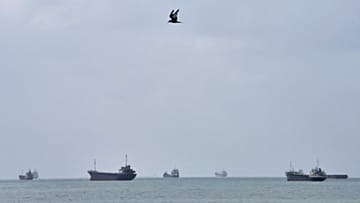
Tensions remain high over the status of the Strait of Hormuz as both the United States and Iran assert authority over the vital maritime passage.
Commercial vessels were visible in the waterway on Saturday, while the Trump administration maintains that the US Navy maintains control of the corridor, which historically handled roughly 20% of the world’s traded oil before the conflict began.
US President Donald Trump and key administration officials insist that oil shipments moving through the critical choke point have nearly recovered to prewar volumes. Vice President JD Vance stated during a press briefing on Thursday that the US escorted roughly 15 million barrels of oil through the passage on Wednesday. That announcement followed comments from Energy Secretary Chris Wright, who told CNBC on Wednesday that 17 million barrels crossed the strait on Monday with naval support. Prior to the outbreak of the war, approximately 20 million barrels of Gulf crude moved through the area daily.
However, independent maritime tracking firms report that overall ship movement through the strait remains significantly lower than prewar levels. The recovery in maritime traffic has faced fresh disruptions this week due to renewed US strikes against targets in Iran and subsequent retaliatory attacks by Tehran across the region.
The ongoing disruption continues to push global fuel costs to historic highs. In the US, average diesel prices surged to $5.85 a gallon, marking their highest point since the conflict started. Meanwhile, petrol prices in the UK reached a six-month high of 163p per litre.
