



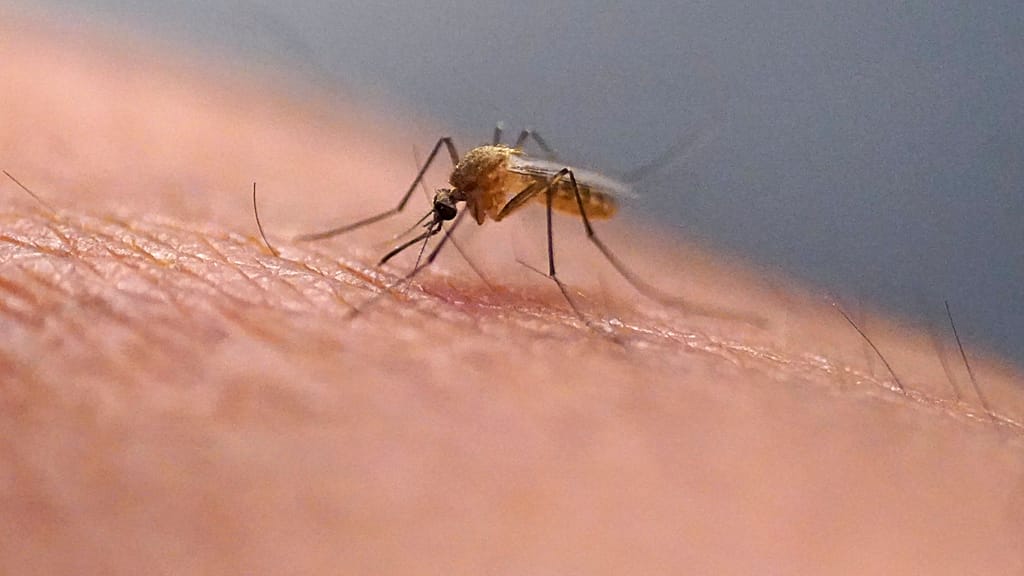
As the annual transmission season begins, the World Health Organization is calling on European nations to step up mosquito monitoring efforts amid a swift surge of the virus across the continent. Local transmissions have already been confirmed in Greece, Italy, Spain, Romania, and North Macedonia.
Within the European region, human infections typically peak between July and September, coinciding with heightened mosquito activity.
Roughly 20 percent of those infected develop West Nile fever, an illness characterized by headaches, fever, fatigue, body aches, joint pain, vomiting, and occasionally a skin rash.
In extreme situations, the infection can progress to West Nile neuroinvasive disease, a life-threatening condition that targets the central nervous system.
Medical attention should be sought immediately if a mosquito bite is followed by severe symptoms such as high fever, rash, confusion, muscle tremors, or a stiff neck.
Currently, there are no specific treatments or vaccines available for the virus, leaving medical care focused entirely on symptom management.
The WHO emphasized that while the infection itself is not a novel hazard, the environmental factors encouraging its transmission are shifting fast.
“Warmer temperatures and longer summers are giving mosquitoes more time and territory to transmit this virus,” says Dr Hans Henri P Kluge, WHO Regional Director for Europe.
Although overall personal risk remains low, residents and travelers in impacted areas are advised to implement basic precautions against bites and recognize the warning signs of severe infection.
Public health agencies have been urged to educate populations on preventative measures, such as sleeping under nets, wearing protective clothing that covers the body, and applying insect repellent.
Additionally, individuals are advised to reduce outdoor activity during dawn and dusk, when mosquito feeding activity reaches its peak.
Mosquitoes contract the West Nile virus by biting infected birds and subsequently pass the pathogen to people and other animals.
Direct person-to-person transmission through normal daily interaction has never been documented.


