

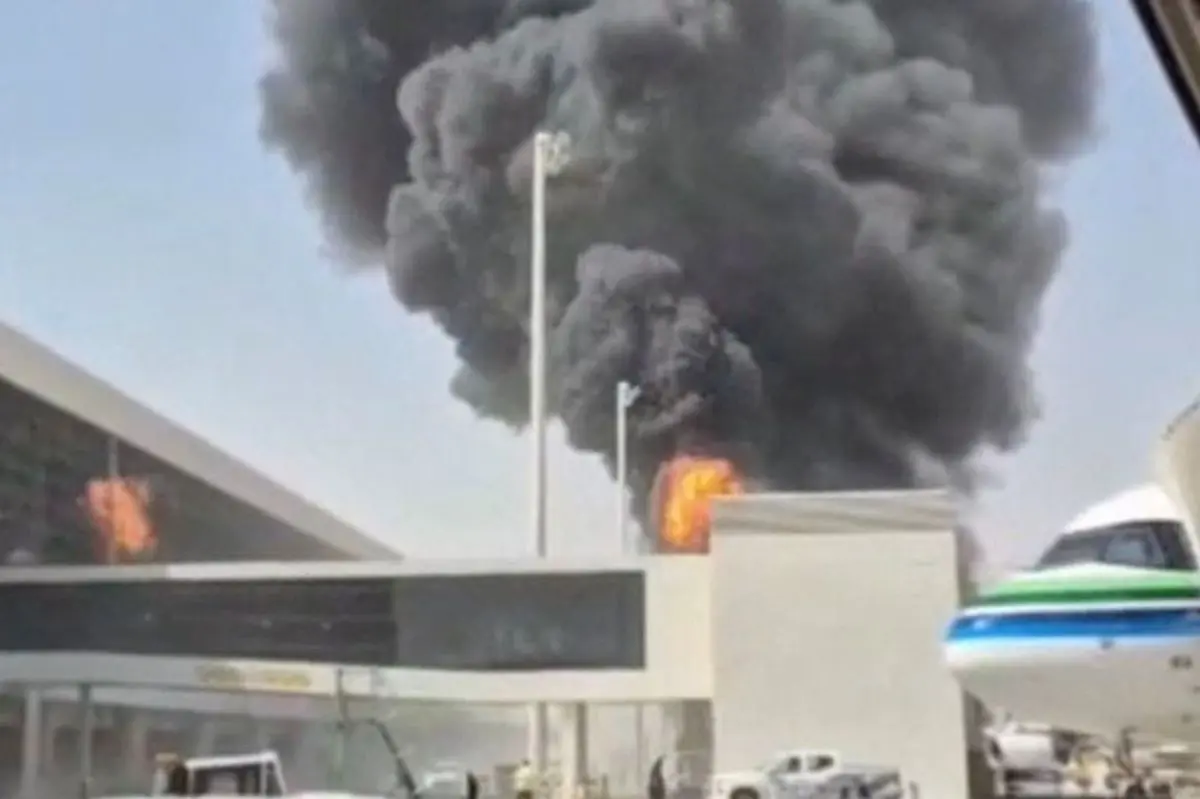
Benchmark oil prices rose above $105 a barrel on Monday after Yemen’s Iran-backed Houthi movement struck Saudi Arabia, raising concerns about tight global supplies as the northern hemisphere winter approaches.
Investors were also unsettled by doubts over US President Donald Trump’s claim of an “energy ceasefire” between Ukraine and Russia. He made the claim after announcing a surprise deal to buy diesel from Moscow.
Russia declined on Monday to say whether it had agreed with Ukraine to halt attacks on energy infrastructure, a day after Trump’s unilateral announcement caused confusion. Trump also said Ukraine should “get a new leader” after Volodymyr Zelensky criticised Washington’s easing of sanctions on Russian diesel. Trump is dealing with high fuel prices weeks before US midterm elections.
“Oil remains well bid above $100 after strikes on Saudi Arabia’s Riyadh airport over the weekend, whilst efforts to secure a Russia-Ukraine energy truce were muddy,” said Neil Wilson, a strategist at Saxo UK. He added that “a US deal to purchase some Russian diesel is a drop in the ocean.”
Saudi Arabia’s energy minister acknowledged that the kingdom’s infrastructure and resilience had been tested by a wave of deadly Houthi attacks. The weekend strikes marked a sharp escalation in the Yemen war, in which Saudi Arabia has long backed the internationally recognised government.
Stocks were mixed across Asia, while Europe’s main indices rose at midday. Carmakers gained after the European Union said it would cap imports of hybrid vehicles from China to avert a trade war. The dollar strengthened against most currencies ahead of key US inflation data this week, which will inform expectations on when the Federal Reserve might raise interest rates again.
The US corporate earnings season also begins this week, with JP Morgan, Goldman Sachs and Bank of America due to report. Tech giants follow later in October and November, with traders watching for signs on the outlook for AI spending.
Separately, Microsoft co-founder Bill Gates warned on Sunday that unregulated AI is a growing threat. He said the risk of AI “getting out of control” is still years away, but the immediate worry is “bad people” using existing systems without safeguards. “The front that we’ll probably see most dramatically in the next year is cyberattacks,” he told ABC News.
