

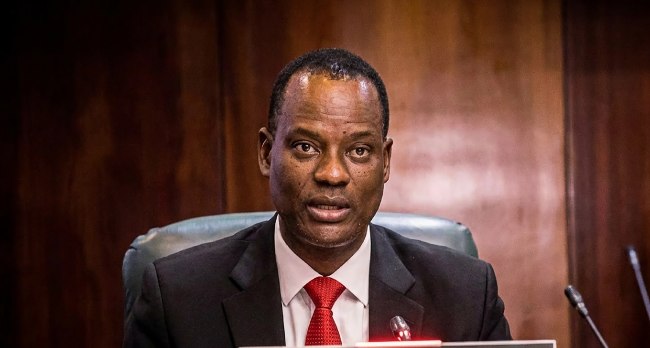
State and local governments in Nigeria collectively receive roughly 85 percent of the country’s overall resources, leaving the federal center with only 15 percent despite its heavy obligations, according to Minister of Finance and Coordinating Minister of the Economy, Taiwo Oyedele.
Speaking on Thursday during an economic outlook session at Chatham House in London, Oyedele stated that the Federal Government remains the most resource-deprived level of government relative to its mandatory duties, which include defense, internal security, foreign relations, and election administration.
He noted that the central government has also absorbed added commitments in primary healthcare and basic education, creating an urgent need for adequate funding to meet these needs effectively.
“Based on data, the center is the most deprived of resources yet it has the most responsibilities. Of all Nigerian resources, roughly 85 percent are assigned to subnational. Only 15 percent to the federal government,” Oyedele said.
“In Nigeria, the federal government collects no income tax from individuals.”
Highlighting revenue distributions, Oyedele pointed out that state governments retain 90 percent of Value Added Tax (VAT) proceeds, with the Federal Government collecting only 10 percent. He added that states also keep revenues generated from stamp duties, leaving the center largely dependent on its allocation from the Federation Account.
“When they talk about the formula of 52 point something percent of federal government, what they are not telling you is that 52 point whatever percentage is a percentage of a smaller portion of the federation account,” he added.
Under the current national revenue framework, 52.68 percent of the Federation Account is allocated to the Federal Government, 26.72 percent to states, and 20.60 percent to local councils. To address the central government’s funding shortfalls, the Senate began constitutional amendment steps on February 3 aimed at adjusting the revenue sharing formula upward in favor of the center.
To balance resource allocation moving forward, Oyedele explained that the Federal Government intends to devolve certain public duties to state governments, which are better situated to handle them, while increasing central revenue capacity without overburdening citizens.
“That way you have extra resources to influence decisions at the subnational level. It’s called federal transfers,” the minister said.
Through the planned federal transfers, the central government aims to provide targeted grants to states to strengthen basic education, boost agricultural production, and construct key farm-to-market feeder roads, encouraging subnational leaders to focus on high-impact social and economic projects.
