
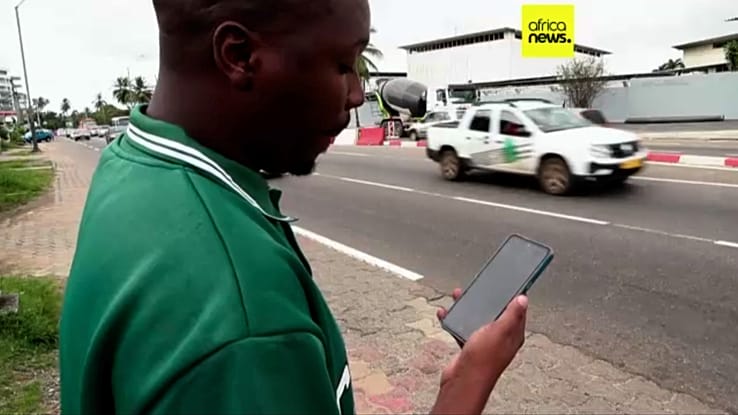
Authorities in Gabon have restored access to social media networks following an eight-month restriction that drew widespread public backlash.
The High Communication Authority originally blocked major online platforms on February 17, asserting that user-generated content was fueling societal conflict and division. The crackdown occurred amid rising public unrest during the first year of President Brice Oligui Nguema’s term.
Major platforms including YouTube, Instagram, Facebook, and TikTok were completely shut down, while WhatsApp experienced partial disruptions.
To bypass the restrictions, many citizens turned to virtual private networks to mask their IP addresses and secure their internet traffic. Consequently, VPN provider Proton recorded a massive 60,000 percent surge in application downloads immediately after the ban took effect.
According to the regulator, the temporary suspension allowed the government time to adapt its legal framework to better regulate social media. Under the newly established guidelines, online anonymity has been eliminated, requiring users to present official identification to access platforms.
The regulatory body also confirmed it is coordinating with major tech firms, including Meta, TikTok, and YouTube, to improve content moderation practices.
Opposition leaders and human rights advocates strongly condemned the initial blockade, labeling it an abuse of power. Legal challenges against the ban were systematically dismissed by the courts.
Former Prime Minister Alain-Claude Bilie-By-Nze, who has been detained since April on charges related to fraud and abuse of trust dating back to 2008, was among the prominent figures criticizing the restriction.
Critics point to both the digital blackout and his ongoing detention as evidence of growing political repression under the military leadership, which originally seized power in a 2023 coup that ended 55 years of rule by the Bongo family.
