

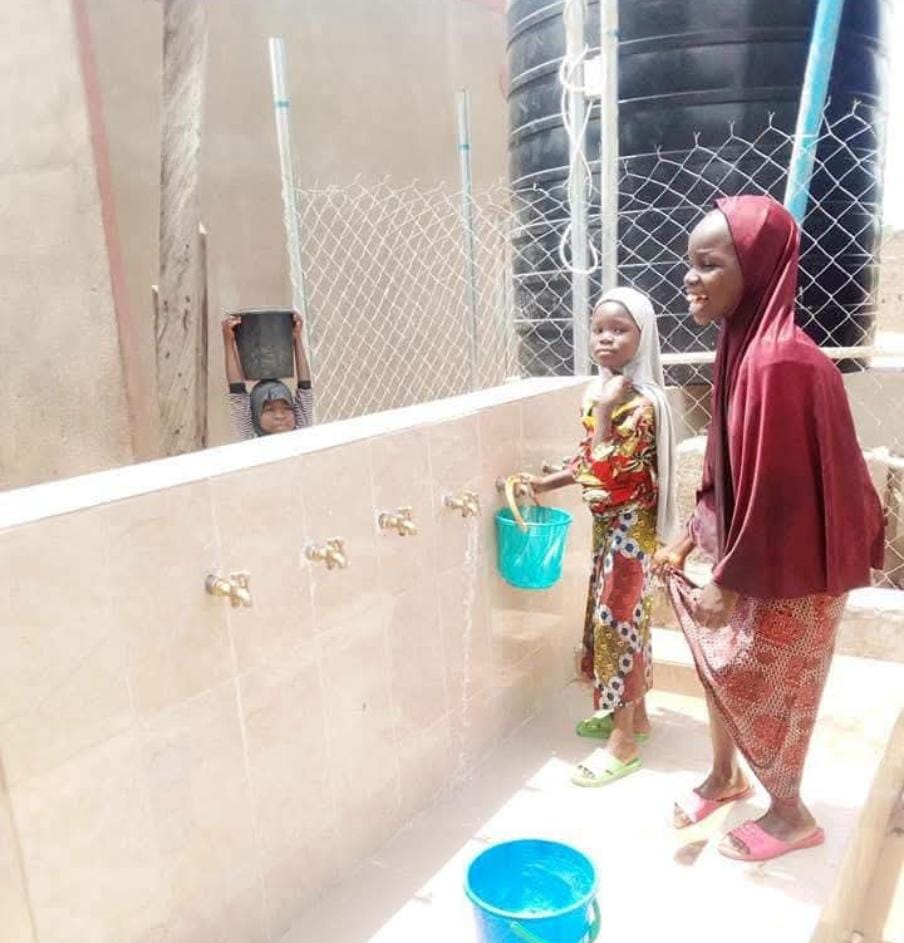
There is a pain that only a mother knows. She wakes before dawn, her children are still asleep, and the Simon is not working. There is no water for the baby, none for the morning prayer and none for the pot. She picks up her bucket and walks, carrying her worry with her.
Then one day the Simon works again. A solar panel is fixed, the water runs, and nobody makes a speech about it. She looks at her children and breathes.
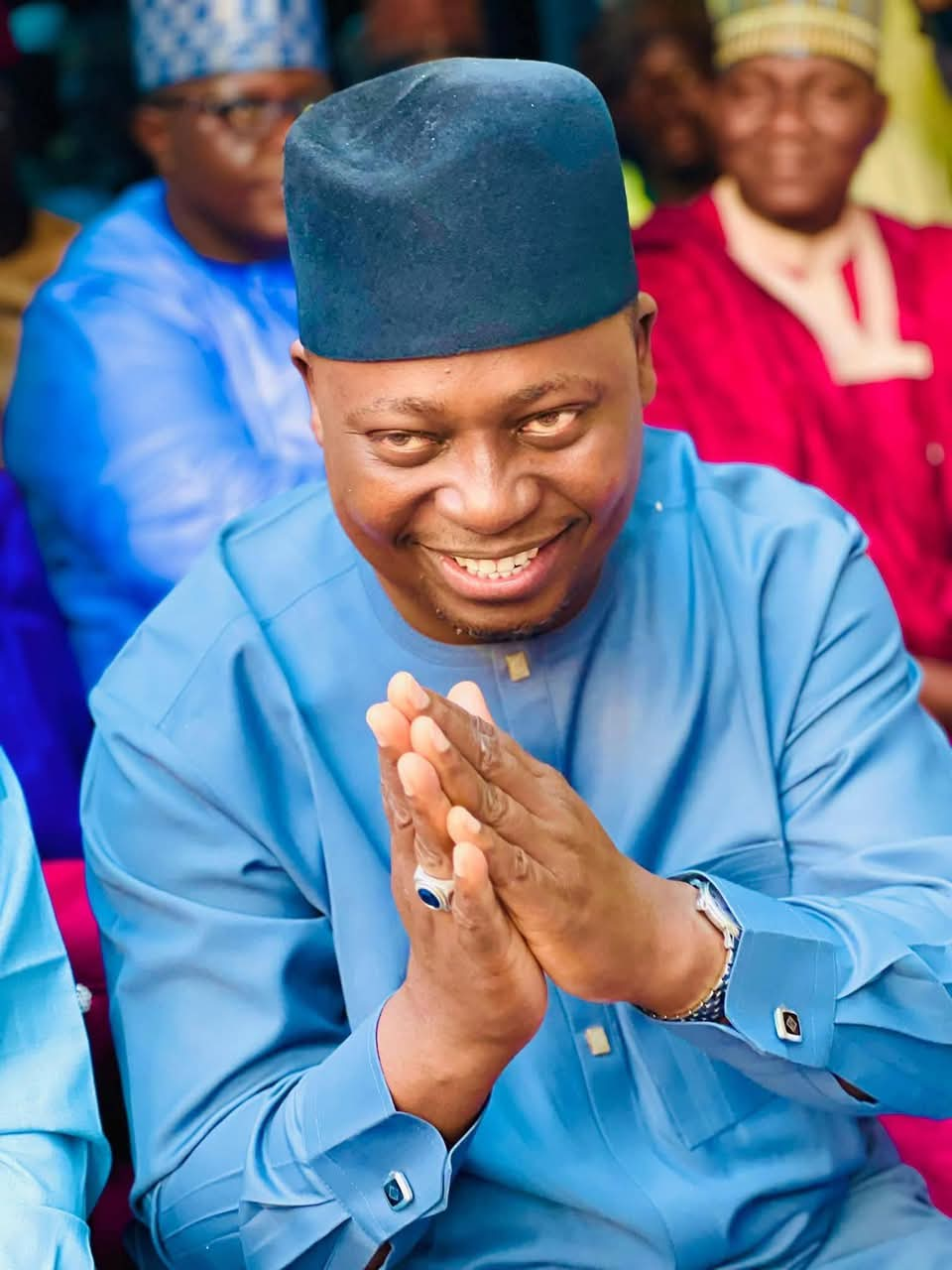
This is why I am writing about Engr. Abubakar Adamu Waziri, whom many call “Cargo” and whom his people proudly call Mbaruman Fika.
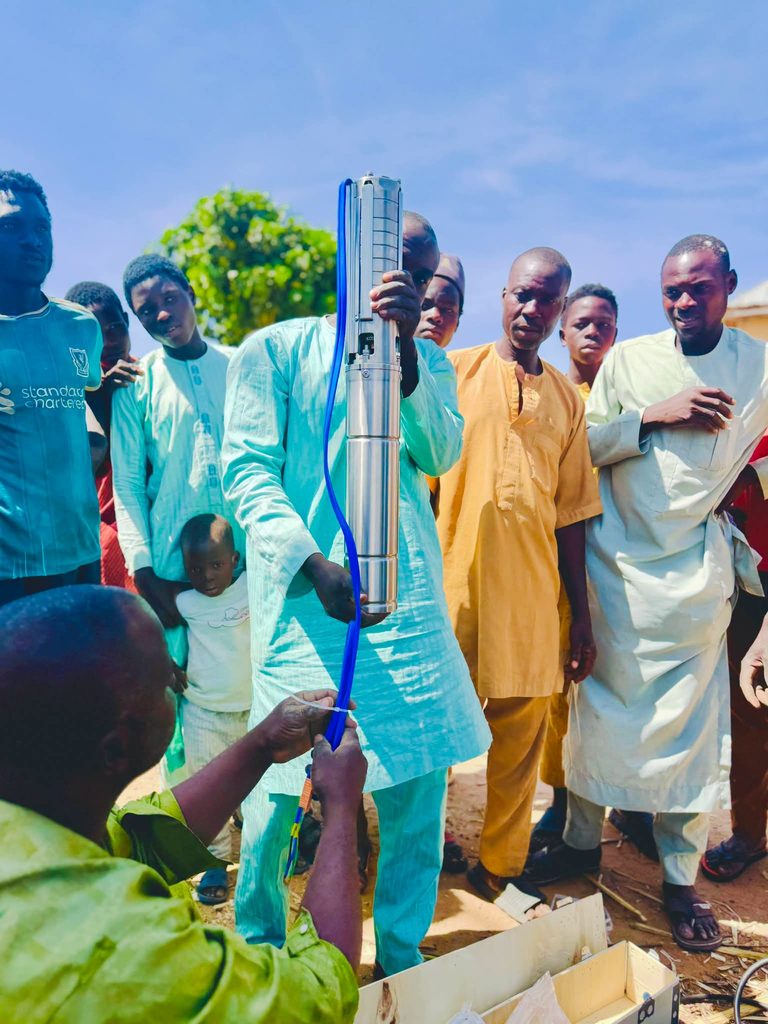
The places read like a roll call of gratitude. Simon and solar panels at Bedu Road, Masallacin Dan Rimi and Dorawa Primary School. Simon in Damboa, Kamfala and Unguwar Teloli. Two Simon at Samas Primary and Secondary School, where children need water to learn. Three boreholes at Kofar Madu. Solar boreholes at Old Prison Road, Unguwan Jaji, behind FGGC Potiskum, Garin Fole and Chadin Fulani. More in Bolewa A and B, Dogo Nini, Tandari and Ngojin Alaraba. Some stand beside mosques, so worshippers can make ablution and drink in peace.
There is even the spraying against mosquitoes, which many forget. It protects children from malaria, and nobody notices it until the sickness stays away.
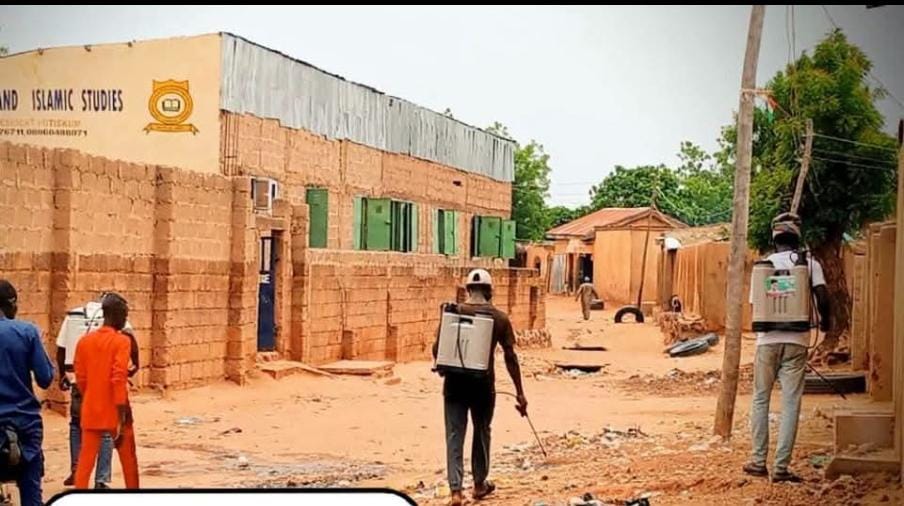
Communities across Potiskum testify that this was done quietly, without a title and without a campaign. In Hausa we say, “Ruwa ginshikin rayuwa.” Water is the foundation of life.
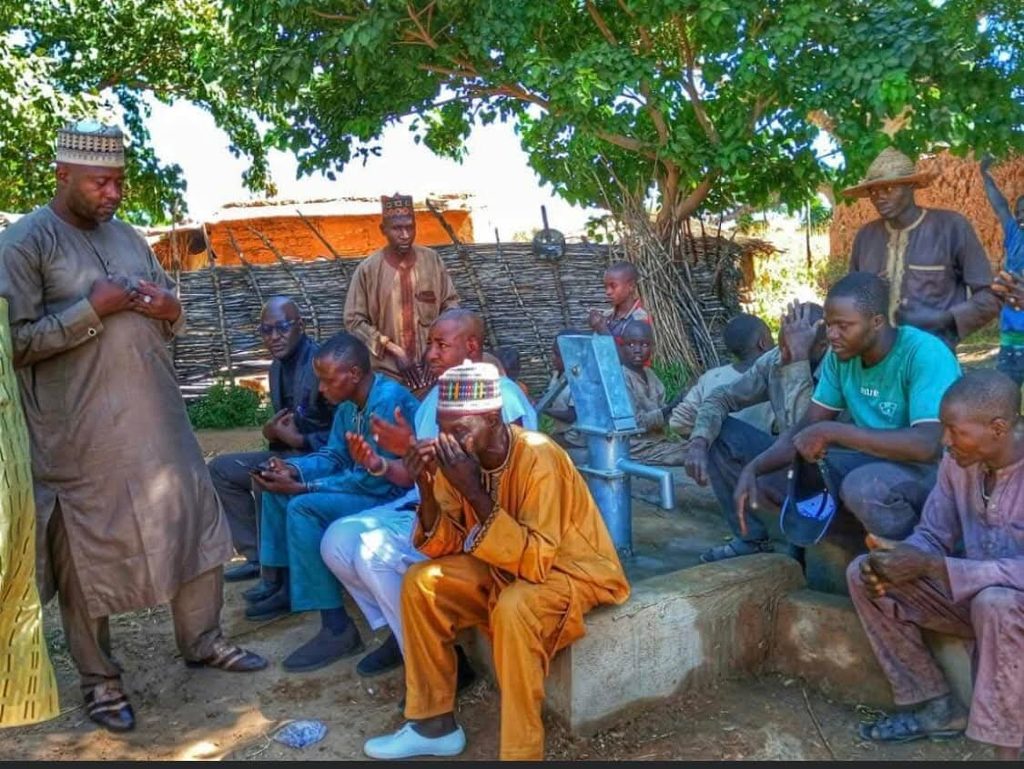
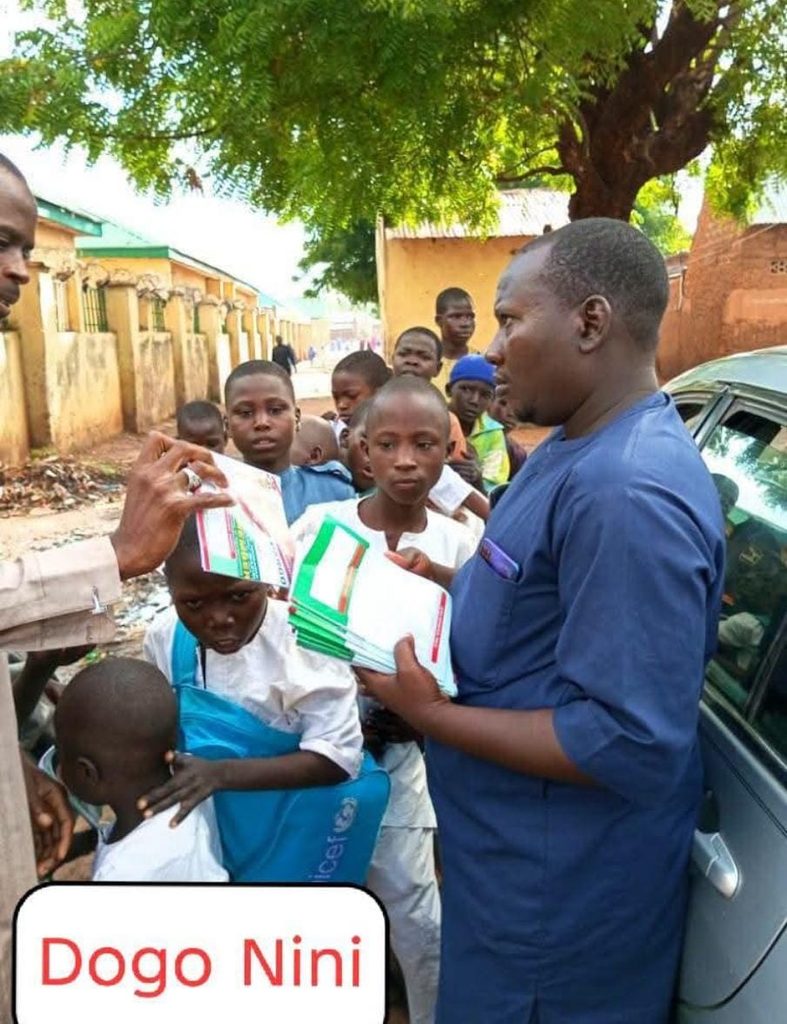
But water was not all. Think of a small child in primary school who sits in class without a book. He watches his classmates turn pages while he can only listen. That kind of shame can stay with a child for a long time. Mbaruman Fika is remembered for buying books for primary school pupils so that no child would have to feel that way. To me, a book in a small hand is a promise that his future matters.
He also supported a medical outreach for needy families. That means a mother who could not afford treatment was treated, and a father who feared the hospital bill could breathe again.
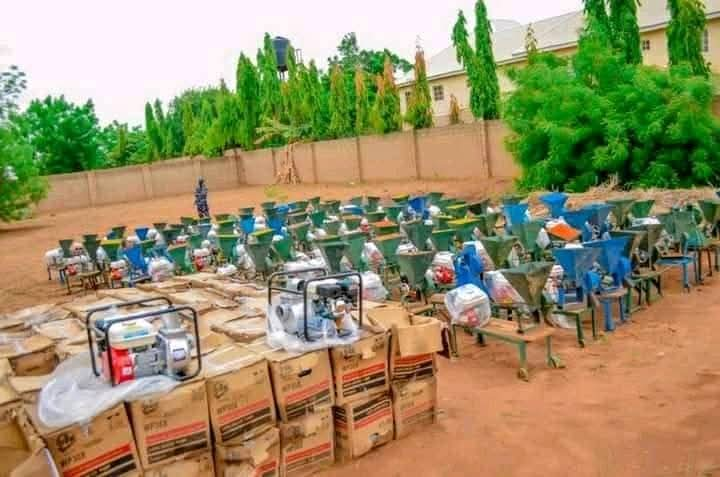
And he did not forget the women. There is a quiet dignity in earning your own bread, and Mbaruman Fika empowered women with grinding machines and sewing machines. Picture a widow in Potiskum who has the skill but not the tools. A sewing machine becomes a tailoring shop. A grinding machine becomes a business that serves her whole street. With each one, a woman who once waited for help can pay her children’s school fees and hold her head high. This is the kind of help I respect most, because it does not end when the day ends. When you empower a woman, you strengthen the whole home, because a mother with an income raises children with hope.
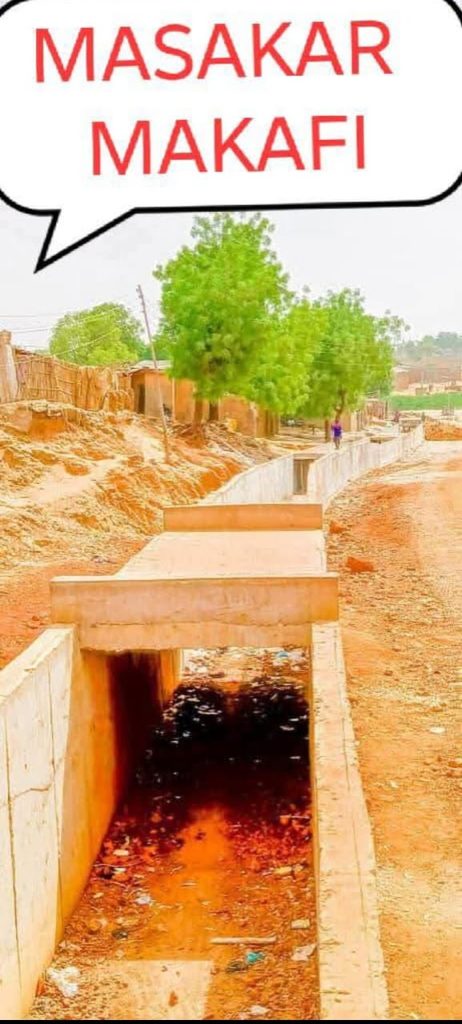
Then there is Masakar Makafi, in Potiskum town. For years the erosion there has threatened homes, farms and livelihoods, and families have waited for relief. Today the community says their hope has returned, and they give credit to Mbaruman Fika for using his influence to bring an erosion control project to their doorstep. For people who have watched the land wash away, that is proof that someone remembered them.
He is also one of us. He was born in Potiskum in 1978, the son of the late Mbaruman Fika, Alhaji Adamu Abubakar Waziri. He studied at Comprehensive Science Secondary School, then earned a civil engineering degree at the University of Maiduguri. He learned to build things that last and came home to help.
Beyond the projects, the community speaks of the students he helped with scholarships and the constituents he helped secure federal appointments. The word they use for him is alheri, a blessing: “Cargo alheri ne.”
As I see it, a person’s character shows in what they do when nobody is watching. This is a man who helped when he held no office. If he is given the mandate, I believe he will do even more.
I will be honest, though. A borehole is not a budget, and kindness alone is not law-making. Nangere and Potiskum need a representative who can take the needs of our mothers, our children and our jobless young people into the rooms where federal money is decided. So I will support him, and I will also hold him to that promise.
If he does in the House what the community says he has done in our streets, we will have a leader who served us before the campaign began.
Muhammad Kukuri is a writer from Yobe State, with keen interest in Nigerian politics and journalism. He can be reached at 07062733187 or mohkukuri@gmail.com
