

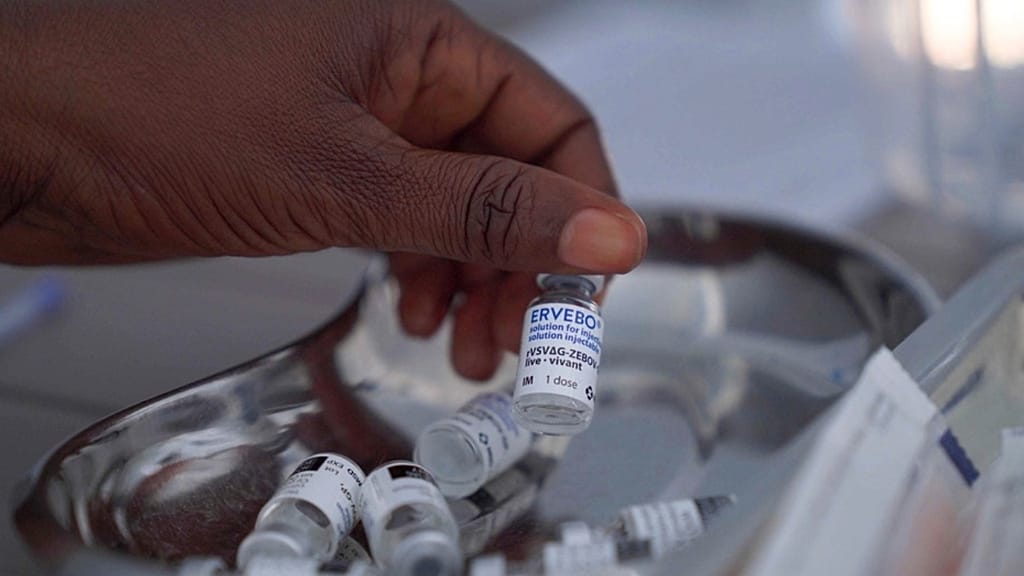
Distributing vaccines based on population needs rather than wealth could save more than 2.7 million additional lives during a future health crisis, a new study reveals.
By modeling a hypothetical global influenza outbreak, researchers demonstrated that accelerating vaccine development could dramatically reduce global fatalities from an estimated 58.5 million to 23.9 million.
However, these benefits would be distributed unevenly. In high-income nations, death tolls would rise from roughly 2.4 million to 3.9 million if doses were allocated by population size instead of purchasing power.
The findings form part of a report by the NUS-Lancet Commission on Pandemic Preparedness. The commission stresses that preparing for future health threats demands more than just expanding technical and medical infrastructure.
According to the report, governments must construct systems capable of reaching marginalized populations, preserving public trust, and delivering vaccines, treatments, and essential resources where the need is greatest.
“Cooperation and solidarity saves the lives of essential first responders, including the health workers who can help stop a pandemic,” said Helen Clark, former prime minister of New Zealand and co-chair of the commission.
She noted that greater equity would lower overall deaths worldwide while providing vulnerable communities a fairer opportunity to be protected.
The predictive modeling also revealed that boosting public confidence in vaccines could prevent an additional 1.9 million deaths.
Insights from Covid-19
Researchers gathered field evidence across 20 nations from communities severely impacted by Covid-19 and other recent emergencies. Participants included homeless individuals in Indonesia, internally displaced populations in Ethiopia, and bereaved families in the UK who lost loved ones to Covid-19.
The study highlighted that social and economic conditions heavily dictate an individual’s exposure to disease and their ability to access medical support.
“A person living in a crowded apartment cannot socially isolate, a person with no identity papers cannot access a government payment, and a person who doesn’t speak the dominant language cannot understand health advice,” said Professor Helena Legido-Quigley of Imperial College London, a commission co-chair.
The commission pointed out that traditional pandemic response plans often overlook these fundamental barriers, preferring to evaluate whether nations possess technical and medical capabilities. Real readiness, the report argues, requires ensuring those resources reach the people who need them most.
Vaccine Access Across Africa
These insights carry significant weight for regions that faced severe obstacles acquiring Covid-19 vaccines during the last global crisis.
Dr Githinji Gitahi, global CEO of Amref Health Africa, observed that many African nations were left “at the back of the queue” for Covid vaccines.
He called the new modeling “both compelling and deeply sobering,” maintaining that national response strategies must adapt to the daily realities of local communities.
“Plans written in conference rooms in capital cities often fail to reflect the realities that determine whether people can isolate, obtain reliable information, access care or receive a vaccine,” Gitahi said.
He further emphasized the necessity of establishing public trust long before a new outbreak emerges.
The commission advises governments to directly include communities in pandemic planning and hold themselves accountable for delivering protection to high-risk populations.
The publication of the report coincides with an upcoming United Nations high-level meeting on pandemic preparedness in New York. There, global leaders will discuss lessons learned from Covid-19 and evaluate strategies to strengthen global readiness for future outbreaks.
Formed in 2023 by the National University of Singapore and The Lancet, the NUS-Lancet Commission brings together 41 global experts spanning healthcare, finance, policy planning, and community development.
