


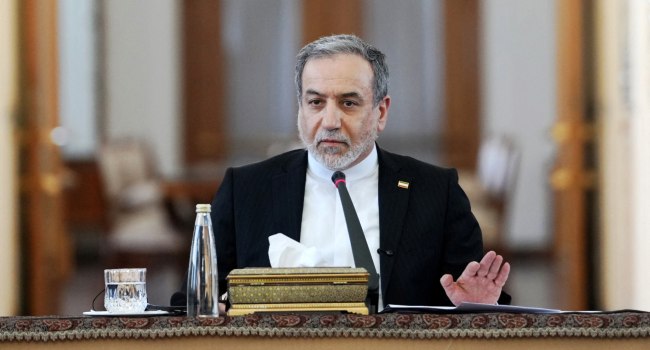
Iran has denied participating in any active negotiations with the United States, contradicting statements made by President Donald Trump regarding new discussions aimed at ending the six-month conflict.
The clarification from Tehran’s foreign ministry comes after Trump announced he was pausing proposed military actions against Iran to allow space for diplomatic efforts. The United States and Israel initiated military actions against Iran on February 28, starting a prolonged conflict marked by intermittent periods of reduced tension.
Although Trump recently warned of severe military actions targeting Iranian energy infrastructure, he later softened his stance, indicating that the baseline for a potential agreement was visible. However, Iranian officials dismissed the idea that bilateral talks were occurring.
We are not currently negotiating with the United States. Our negotiations are with Oman to secure passage through the Strait of Hormuz, stated foreign ministry spokesman Esmaeil Baqaei during a weekly press briefing.
Control over the Strait of Hormuz remains a primary obstacle to resolving the dispute. Iran has restricted commercial traffic through the vital maritime corridor, enforcing demands to oversee navigation and levy transit fees, actions opposed by Washington.
Baqaei indicated that discussions with Oman were aimed at establishing a mutually acceptable route that respects sovereign rights and secures national security, though he emphasized that such a arrangement would not automatically reopen the waterway.
The maritime situation remains tense. The United Kingdom Maritime Trade Operations reported a nearby explosion near a commercial vessel off the coast of Oman, though the ship and crew remained unharmed.
Trump previously asserted that upcoming discussions would encompass maritime movement in Hormuz and address Iran’s nuclear capabilities. The US administration continues to argue that military intervention was necessary to address Iran’s nuclear aspirations, while Tehran maintains its nuclear activities are strictly peaceful.
Now what we’re doing is we’re talking to them in the form of a negotiation. It begins tomorrow afternoon, Trump stated to reporters aboard Air Force One, without specifying a location or key participants. He added that the pause on strikes followed requests from Iran and regional partners including Saudi Arabia, the United Arab Emirates, and Qatar. Iranian media outlets later denied making any such request.
Attempts to finalize a lasting agreement have repeatedly stalled. A temporary ceasefire designed to reopen energy transport routes in the Gulf failed last month.
Iranian lawmaker Hassan Ghashghavi noted that diplomatic channels are currently focused on restoring the memorandum of understanding signed in June as a foundation for broader talks.
They know that the main issue and, in fact, the key to the matter right now is the issue of the Strait of Hormuz, so yes, there is an exchange of views, Ghashghavi stated.
Addressing the situation via social media, Iranian President Masoud Pezeshkian expressed Tehran’s stance: We must strive to compel the enemy to remain committed to what it has signed.