



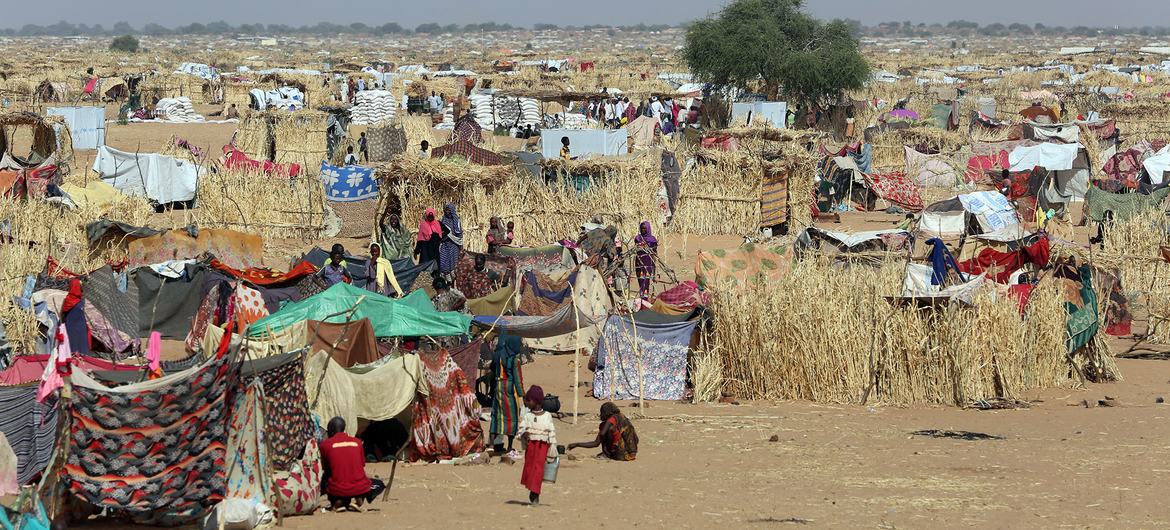
Local activists in the Al-Malha district of North Darfur warned on Thursday that humanitarian conditions have reached a breaking point, leaving more than 270,000 residents and displaced persons exposed to critical food shortages and potential starvation.
The region, located in the far northern expanse of the state, fell under the control of the paramilitary Rapid Support Forces (RSF) in 2025. Since taking over, the group has faced heavy criticism from local advocacy networks over reported human rights violations against civilians, including targeted violence, plunder, and forced evictions.
The crisis has deepened due to strict transit blockades imposed on commercial vehicles traveling from Al-Dabbah in Northern State toward Al-Malha. These travel bans have caused shipments of essential goods, fuel, and medical supplies to plummet, triggering massive price spikes across the local economy.
“More than 270,000 citizens and displaced people face the risk of death from hunger and thirst unless immediate intervention is made,” stated the Al-Malha Emergency Room in a public address.
Soaring costs have placed basic dietary staples out of reach for the majority of families. A standard sack of sorghum or millet now fetches approximately 450,000 Sudanese pounds ($750). Simultaneously, the area faces an escalating water shortage as fuel exhaustion forces local wells and pumping facilities to go offline, driving up the cost of clean drinking water.
Community organizers cautioned that approaching seasonal rains will soon turn local unpaved transit routes into impassable mud tracks, threatening to isolate the region completely if assistance does not arrive before the roads degrade.
To prevent total isolation, the emergency committee issued an urgent request to global donors and relief organizations to finance emergency food distributions, provide fuel for water infrastructure, and cover logistics costs before supply channels fail completely.
“The coming hours and days will be critical,” the committee warned, adding that any further delay in delivering aid risks unleashing a massive humanitarian disaster.


