



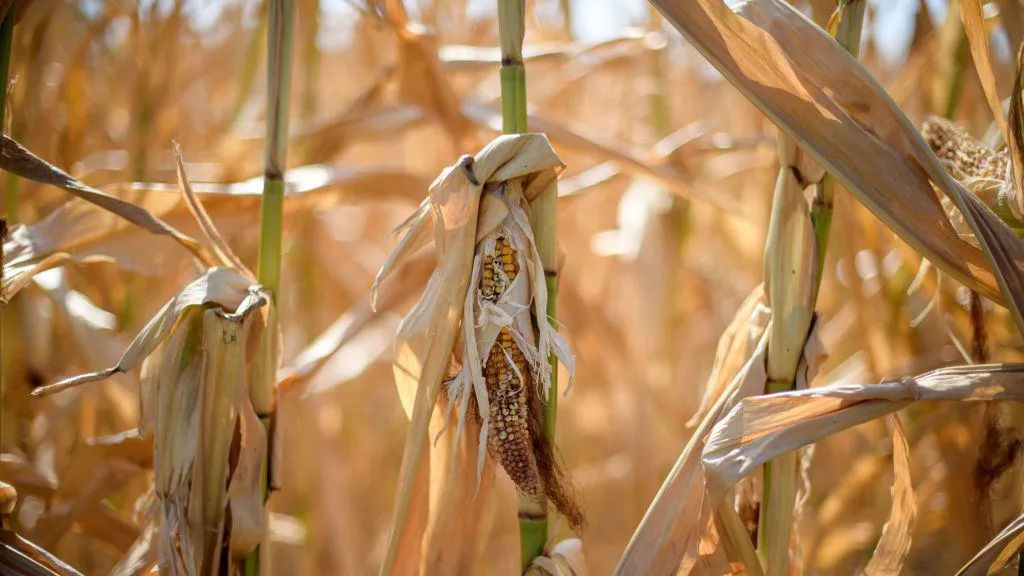
At least 16 people have died from starvation in recent weeks across Uganda’s northeastern Karamoja region, according to government officials. The deaths come amid a severe and prolonged drought that has devastated local agriculture.
Local farmers report that their crops have been entirely lost due to a lack of rainfall since April, which marked the traditional start of the planting season.
Major fields of maize, sorghum, and soybeans have withered under the dry conditions, destroying any hopes for a successful harvest.
According to experts, the recurring food shortages in the region are driven by a combination of climate change, poor rainfall, deforestation, overgrazing, and crop pests. Together, these factors have left local communities increasingly vulnerable to severe hunger.
To address future crises, experts are urging the government to invest in better weather forecasting, irrigation infrastructure, and drought-resistant crop varieties.
The Ugandan government announced it has initiated the distribution of emergency food aid to the region.
Prime Minister Robinah Nabbanja stated that the dry spell has left thousands of families completely without food.
She indicated that her office will seek cabinet approval on Monday to secure additional funding to purchase more supplies for the hit areas.
The semi-arid northeastern corner of Uganda is no stranger to catastrophic food shortages.
In 2022, an official human rights body report revealed that more than 2,200 people died from starvation and related illnesses in the same region.
That previous crisis also sparked political controversy. Public despair turned into widespread disbelief after remarks made by the then-foreign minister, Henry Okello Oryem.
He called those who had died of hunger “idiots”, arguing that Uganda had favourable climate and fertile land so people should be able to grow food for themselves.


