



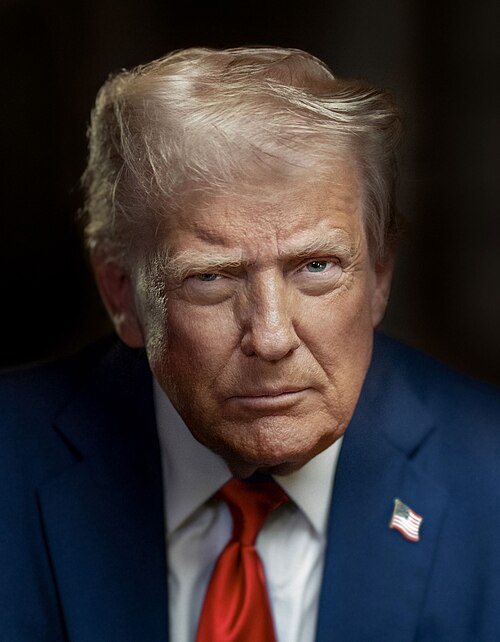
The United States has proposed new tariffs targeting 60 countries it accuses of failing to combat the trade of goods produced through forced labour, in the Trump administration’s latest push to rebuild its tariff agenda after a series of legal reversals. The US Trade Representative announced the proposed duties on Tuesday, with rates ranging from 10 to 12.5 per cent. The measures will be subject to a public comment period before any final decision is taken.
Of the 60 targeted economies, 54 were found to have failed to establish or effectively enforce a ban on importing forced-labour goods. That group includes major trading partners China, Vietnam, Taiwan, and the United Kingdom. The remaining six — Canada, Ecuador, the European Union, Indonesia, Mexico, and Pakistan — were cited for inadequate enforcement of existing prohibitions.
USTR Jamieson Greer did not mince words in justifying the move. “The failure of our most important trading partners to address the importation of goods made with forced labor is unacceptable,” he said, adding that American workers were being forced to compete on an uneven global playing field.
The proposed tariffs come with notable exemptions, however. Beef, coffee, and certain fruits and nuts are excluded, as are goods from Canada and Mexico that fall under the existing North American free trade agreement. Select textiles and apparel are also exempt. Members of the public have until July 6 to submit written comments, after which the USTR will convene hearings before issuing a final ruling.
The announcement follows investigations launched by Washington into whether key trading partners — including China, the EU, and Japan — had taken sufficient steps against the importation of forced-labour goods and whether inaction had affected US commerce. It also comes in the wake of a significant legal blow to the administration’s trade strategy.
In February, the Supreme Court struck down a broad range of Trump-era tariffs, prompting US officials to pursue fresh legal avenues — including the forced labour and industrial overcapacity probes — as the basis for more durable trade measures.


