

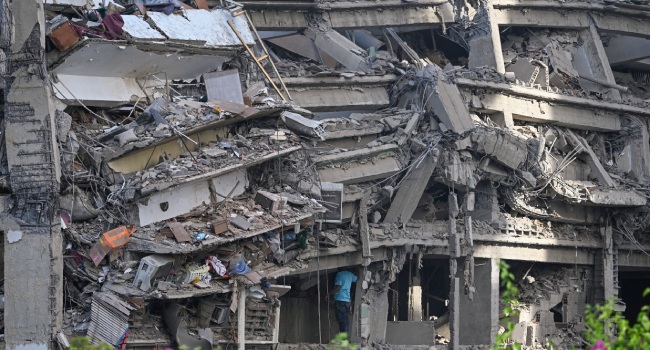
The confirmed death toll from the double earthquakes that devastated Venezuela last month has risen to 4,930, according to an announcement on Thursday by lawmaker Jorge Rodriguez. While the official casualty count continues to climb, the United Nations fears the true scale of the disaster is far worse, estimating that up to 50,000 people remain missing and are feared buried beneath the rubble.
The catastrophe, which struck nearly a month ago, has upended the lives of tens of thousands of residents across the nation.
The scale of the disaster has left local infrastructure overwhelmed and forced thousands from their homes:
Confirmed Deaths: 4,930 victims
Injured: Nearly 17,000 people
Displaced: 21,120 individuals currently living in temporary shelters
While international rescue teams have departed as the focus shifts toward providing humanitarian relief, local communities are struggling to cope.
Many residents have expressed frustration over what they describe as a sluggish state response to the crisis.
Cinthia Pulido, a Venezuelan displaced by the earthquakes, highlighted the gap between grassroots efforts and official action:
“From the very first moment, from when the earthquake happened, there was an immediate response, but from civilians. Civilians and independent people. The state’s response is only being seen now. We’re watching and waiting for some kind of answer.”
For survivors like Louismarez Paez, daily survival has become a desperate struggle. She explained that her mother receives no aid other than what she can personally secure.
“The little I can get is just for me to survive, support my children, and help my mum,” Paez said.
As Venezuela faces a staggering $37 billion reconstruction bill estimated by the UN, economic experts point out that long-standing geopolitical hurdles are severely crippling the government’s capacity to rebuild.
Tight US sanctions, active since 2015, have locked the country out of critical international reserves.
Mark Weisbrot, a senior economist and co-director at the Center for Economic and Policy Research, highlighted the financial deadlock:
“Venezuela has crucial resources that it is not being allowed to access,”
This restricted capital includes roughly $11 billion currently blocked by the US and European nations—funds that Weisbrot stated Venezuela “should legally have” to address the national emergency.
The worsening humanitarian situation has prompted political pushback within the United States. A group of 14 Democratic lawmakers sent a letter to the White House requesting an easing of economic sanctions to facilitate disaster relief.
The lawmakers wrote that the current restrictions are “severely hampering urgent relief efforts” and have “severely undermined the country’s response and reconstruction efforts.”