




The World Health Organisation has declared the Ebola outbreak affecting the Democratic Republic of Congo and Uganda a public health emergency of international concern (PHEIC), citing fears the crisis is far larger than official figures suggest.
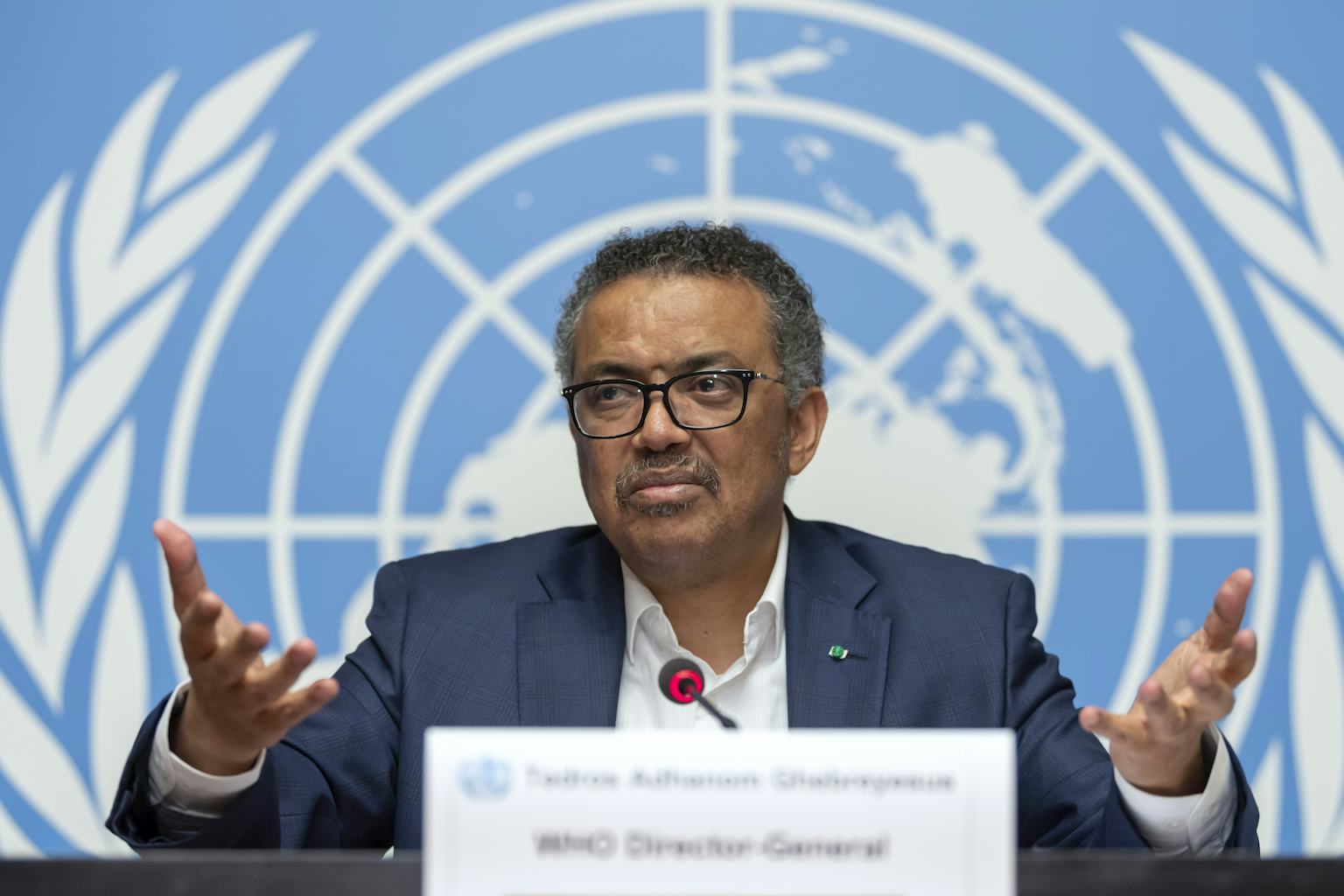
WHO Director-General Tedros Adhanom Ghebreyesus made the declaration on Sunday after consulting with both affected countries, confirming that the outbreak — caused by the Bundibugyo strain of the Ebola virus — does not, however, meet the threshold of a pandemic emergency.
As of Saturday, eight laboratory-confirmed cases, 246 suspected cases and 80 suspected deaths had been recorded in DRC’s Ituri Province, spanning at least three health zones: Bunia, Rwampara and Mongbwalu. Two confirmed cases, including one death, were reported in Uganda’s capital, Kampala, among travellers arriving from the DRC, while a further confirmed case was recorded in Kinshasa in a returnee from Ituri.
At least four healthcare workers have also died in circumstances consistent with viral haemorrhagic fever, raising alarm over potential transmission within health facilities and gaps in infection prevention.
Ghebreyesus warned that the true scale of the outbreak likely exceeds what is currently being detected, pointing to the high positivity rate of initial samples, cross-border confirmations and rising case reports across Ituri Province as indicators of a potentially much larger spread.
Compounding the crisis is the absence of approved treatments or vaccines specifically targeting the Bundibugyo strain — unlike better-known Ebola-Zaire strains for which medical countermeasures exist.
The WHO chief also flagged ongoing insecurity, a humanitarian crisis, dense informal health networks and heavy population movement as conditions mirroring those that fuelled the devastating 2018–19 Ebola epidemic in the same region.
Countries sharing land borders with the DRC have been assessed as high-risk for further spread due to population mobility and trade and travel links.
WHO has urged both the DRC and Uganda to activate national emergency mechanisms, expand surveillance and contact tracing, and establish dedicated treatment centres near outbreak epicentres.