

The Federal Government is mapping out a new strategy to embed journalists with military personnel during specific operations.
This initiative aims to boost transparency, enhance public understanding of Nigeria’s security hurdles, and elevate the standard of security reporting across the country.
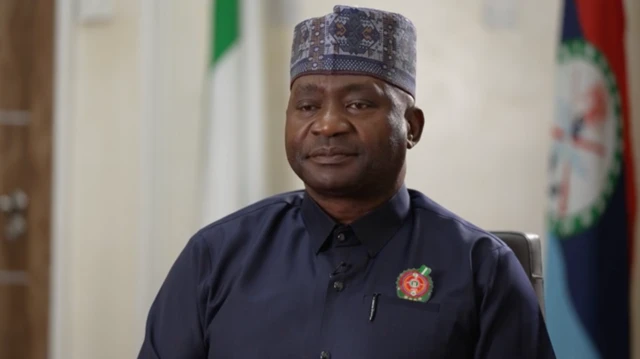
The plan was made public on Thursday by the Minister of Defence, Christopher Musa, at the National Security Summit hosted by the Nigeria Union of Journalists in Abuja. Speaking through his representative, Special Adviser Rear Admiral Olusanya Bankole, the minister highlighted that the move is designed to forge a tighter bond between the press and security forces while ensuring greater openness in military campaigns.
According to Musa, the media is a crucial player in shaping how the public views security initiatives, government policies, and national stability, especially in an era where modern warfare is deeply tied to information flow and public perception. He pointed out that managing security is no longer restricted to the battlefield, marking journalists as vital contributors to the nation’s overall security framework.
“More than ever before, the media are not only enablers; they are stabilizers of government,” the minister said.
To turn this into reality, the Ministry of Defence is working out the logistics to place media professionals directly within military units during active missions. The goal is to give reporters a firsthand look at the challenges faced on the ground, ultimately leading to more precise coverage.
“The defence ministry is exploring arrangements to embed journalists with military units during operations to enable more accurate reporting and deeper understanding of operational realities,” he stated.
Musa further explained that this proposal is a key part of the ministry’s broader mission to bridge the gap between the military and the press. He noted that better cooperation will ensure that defense-related news reaches the public in a balanced, accurate, and deeply informed context.
The minister maintained that the true measure of military success goes beyond battlefield victories; it heavily relies on the trust and confidence citizens have in their protective institutions. In his view, credible reporting and clear communication are fundamental to national security and public accountability.
He believes stronger ties between reporters and security agencies will go a long way in building public trust, dispelling misinformation, and driving better security outcomes.
Furthermore, Musa emphasized that fostering a mutual understanding will help close the information gaps that frequently pop up during complex military operations.
This proposed shift comes as Nigeria continues to battle a wave of security threats, including insurgency, banditry, kidnapping, and violent crimes.
Historically, security agencies have drawn criticism for restricting access to operational zones, a practice that has often fueled conflicting narratives, rumors, and public skepticism about frontline progress.
If successfully rolled out, this journalist-embedding initiative would signal a major turning point in media-military relations in Nigeria
It promises to grant journalists unprecedented access, give the public a clearer window into ongoing security operations, and cement the media’s role as a vital partner in safeguarding national security.
