
More than two weeks after UNGA 81, the most important thing to come out of Yobe’s New York trip is not a photograph or a handshake. It is a question, and the answer it drew.
On Tuesday, September 22, 2026, at the “Unstoppable Africa 2026” forum, organised by the Global Africa Business Initiative (GABI) on the sidelines of the 81st United Nations General Assembly, the Secretary to the Yobe State Government, Dr Mohammed Goje, put a question to Alhaji Aliko Dangote. Drawing on Yobe’s history with insurgency and displacement, he asked how state governments can partner with private corporations to invest in capital shares for the long-term financial security of widows and conflict victims, rather than keeping them reliant on endless humanitarian relief cycles.
It was the right question, and it came from the right place. Yobe knows what conflict costs. For years, the response to that cost across the northeast has been relief: food, shelter, emergency aid. It is necessary, but it keeps people alive without rebuilding their lives. Goje’s question challenged that cycle directly.
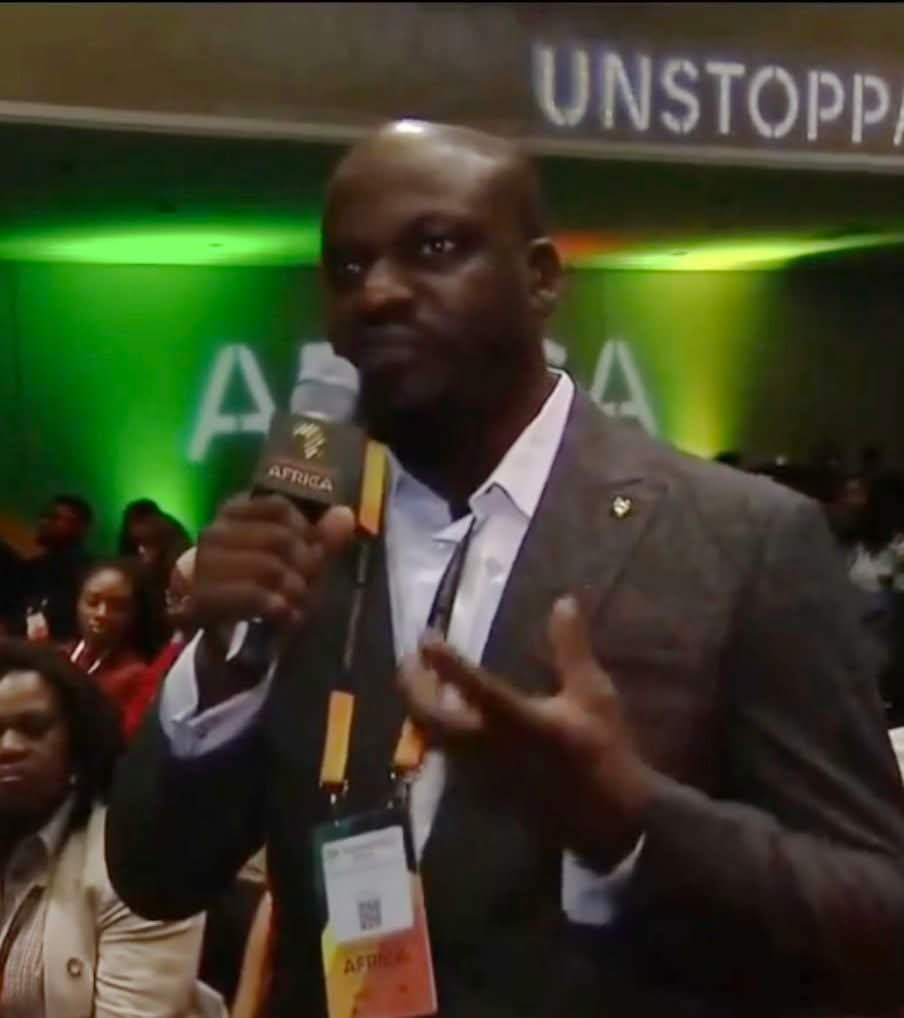
Dr Mohammed Goje, Secretary to the Yobe State Government, asks a question at the “Unstoppable Africa 2026” forum in New York on September 22, 2026.
Dangote’s answer deserves credit. “We are partnering with state governments to ensure that widows and other vulnerable women are able to buy shares in the refinery,” he said. The Aliko Dangote Foundation will work with state governments to identify widows and conflict victims to participate in the upcoming Dangote Petroleum Refinery Initial Public Offering (IPO).
This matters because ownership changes a person’s standing. A widow who holds shares in one of Africa’s largest industrial assets is no longer only a beneficiary waiting for aid. She is an investor with a stake in the country’s economic growth. That shift, from dependence to participation, is the kind of progress that relief alone cannot deliver.
The next day, Wednesday, September 23, Goje met Vice President Kashim Shettima, who led Nigeria’s delegation, and briefed him on Yobe’s investment missions and development strategies under Governor Mai Mala Buni. Shettima expressed goodwill toward the government and people of Yobe. The sequence matters. Yobe did not simply attend a global gathering. It arrived with an agenda and pursued it from a public forum to the Vice President’s table.
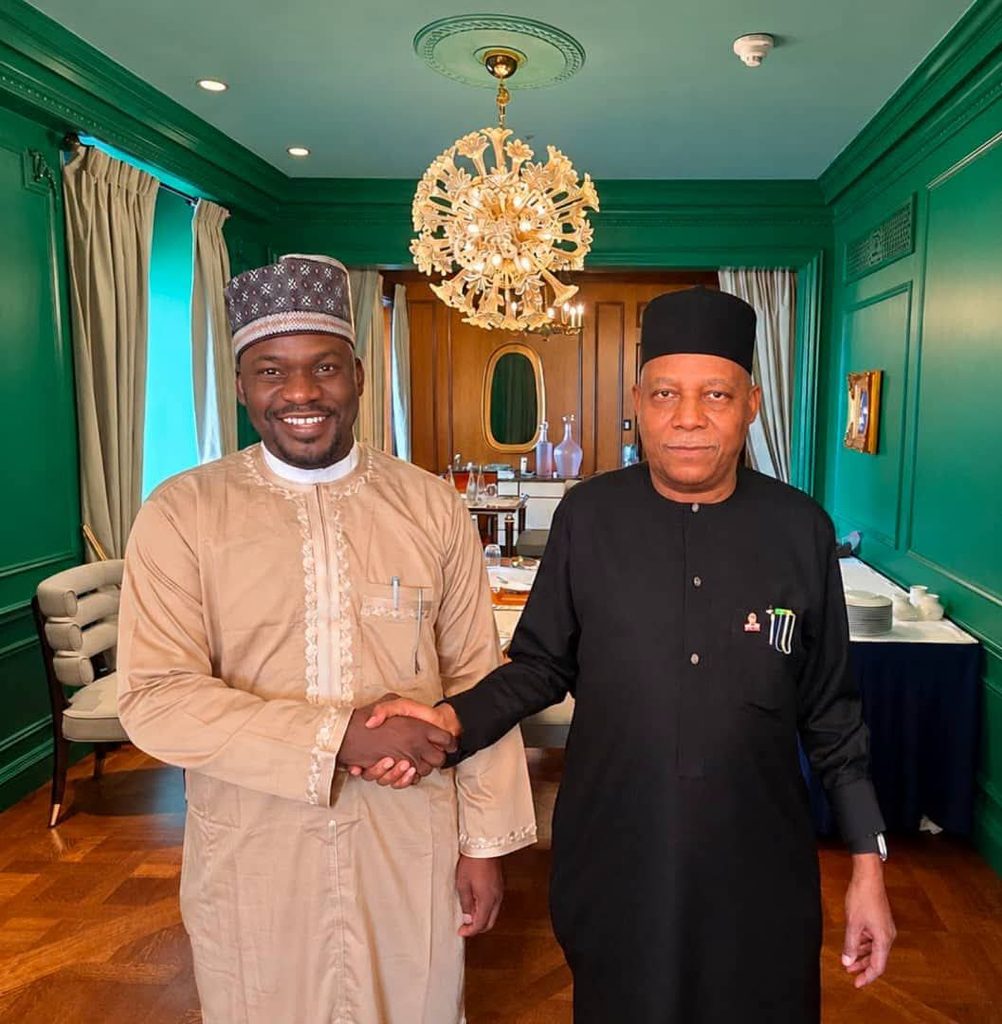
Dr Mohammed Goje, Secretary to the Yobe State Government, asks a question at the “Unstoppable Africa 2026” forum in New York on September 22, 2026.
Still, a commitment is not yet a result. The test now is execution. Yobe must identify and register eligible widows and conflict victims transparently, so that this opportunity reaches the people it was meant for and not the well-connected. If that is done properly, this will be remembered as the moment a state asked a better question and got an answer that could change lives for a generation.
Muhammad Kukuri is a writer from Yobe State, with keen interest in Nigerian politics and journalism. He can be reached at 07062733187, mohkukuri@gmail.com.
