
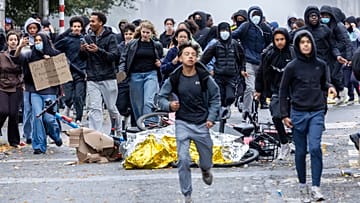
Thousands took to the streets of Brussels to protest proposed spending cuts, leading to clashes between police and demonstrators.
Organized by labor unions, the demonstration targeted government plans to implement a new savings package. Union representatives expressed strong concerns that the measures would disproportionately affect employees, retirees, and lower-income families. They voiced opposition to potential modifications to wage indexation, value-added tax, and other initiatives impacting purchasing power, maintaining that wealthier citizens should bear a larger share of the financial burden. Joining the rally, students also protested against reduced education budgets, increased tuition fees, and policy reforms that they fear will make higher education less accessible.
The protest initially maintained a lively atmosphere, featuring music, dancing, and participants carrying signs throughout the capital. However, unrest broke out near the Brussels-Midi railway station when a group of demonstrators began throwing objects and pyrotechnics at law enforcement officers.
Police forces retaliated using water cannons and tear gas. In response, some individuals hurled gas canisters back at the authorities. To control the situation, police deployed reinforcement units armed with tear gas launchers alongside aerial support from a helicopter. Additional disturbance was recorded near the Brussels-Central railway station.
According to police statements, these violent confrontations occurred on the periphery of the event and were distinct from the primary trade-union march, which remained peaceful throughout the day.
By Friday evening, authorities confirmed that over 100 individuals had been taken into custody. This included approximately 30 judicial arrests and 80 administrative detentions, following an initial report of 21 detentions that included 13 minors. Although the clashes resulted in fires and property damage, official casualty figures have not yet been released.
