



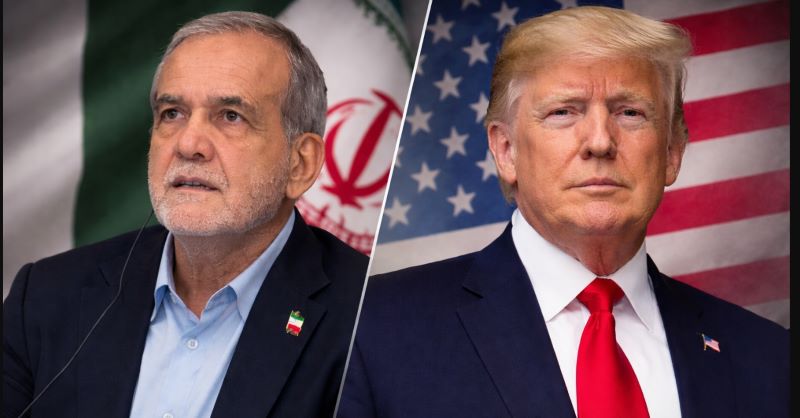
Mediators are voicing cautious optimism about pulling the United States and Iran back toward diplomatic discussions as a pause in active hostilities reaches its third day.
Middle Eastern officials, speaking on condition of anonymity regarding sensitive diplomatic efforts, indicated that Qatari and Pakistani mediators are actively attempting to bridge the divide between Washington and Tehran.
These mediation efforts coincide with a break in American strikes that followed a sharp, two-week surge in military action. Statements from Washington also suggest an opening for dialogue.
At the same time, the situation remains highly unstable. Iran has played down claims of direct talks, and ongoing drone strikes targeting Saudi Arabia, Jordan, and Iraq indicate that Tehran, or proxy forces operating in the region, continues to test Washington’s posture.
US President Donald Trump stated that Iran had reached out to initiate discussions, saying, “through their surrogates and directly, and we’re meeting.”
“We’re talking with Iran right now,” Trump informed journalists aboard Air Force One. “We are having good talks.”
However, the US President maintained his accustomed posture, pairing his diplomatic remarks with warnings of consequences if an agreement is not reached.
In contrast, a spokesperson for Iran’s Foreign Ministry rejected assertions that Tehran requested a return to peace talks. The official noted that while “mediators may convey messages to us from the American side,” no direct engagement is taking place.
The pause in US operations began on Saturday after strikes against Iranian coastal locations and critical infrastructure. That campaign followed Iranian attacks on commercial vessels attempting to navigate the Strait of Hormuz, a critical bottleneck for world energy transport.
Tehran answered the American strikes with missile and drone bombardments across the region against facilities hosting US personnel, resulting in the deaths of at least three service members in Jordan and one in Iraq.
Addressing questions about US interceptor inventories following reports that supply constraints influenced the operational pause, Trump asserted that the military maintains “a lot of ammunition, different types,” adding that production of Patriot interceptors is actively expanding.
Reporting from Doha, Al Jazeera correspondent Osama Bin Javaid observed that regional intermediaries are diligently passing communications between the factions, aiming to restore the previously established memorandum of understanding.
That agreement, finalized in mid-June, temporarily halted active fighting before the recent flare-up shattered the peace.
Subsequent disagreements over the interpretation of the accord have centered heavily on transit rights through the Strait of Hormuz. Tehran has sought to force maritime traffic into a lane closer to its shoreline, targeting vessels that utilize a southern route nearer to Oman.
Oman has suggested a system where ships pay a voluntary transit fee through the narrow passage, though Iran insists that any toll must be mandatory.
Bin Javaid reported that while the strait remains a major point of contention between Iran and Oman, sources indicate minor progress occurred over the weekend, even as fundamental positions remain widely separated.
He noted that Iranian officials maintain conditions in the strategic shipping lane will not revert to pre-conflict norms, requiring a fee structure through entry charges, exit charges, or payments linked to maritime services provided by Iran and Oman.
Concurrently, US Central Command (CENTCOM) announced it diverted 17 commercial vessels in the strait, disabled two others, and boarded two more to enforce its current blockade on Iran.
Following the breakdown of the earlier memorandum, Washington canceled a waiver that permitted Iranian oil sales and implemented a naval blockade targeting Iranian ports.


