

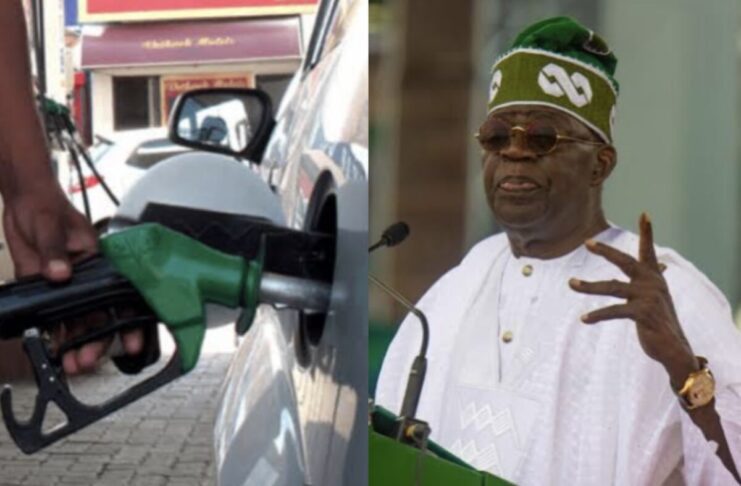
The International Monetary Fund has cautioned the Nigerian government against reintroducing a widespread petrol subsidy, advising instead that targeted relief be directed toward vulnerable households to lessen the burden of escalating energy costs.
According to the Fund, blanket fuel subsidies carry a heavy financial burden, disproportionately benefit higher-income demographics, and intensify fiscal pressures, particularly in an environment of increasing borrowing costs.
Rodrigo Valdés, Director of the IMF’s Fiscal Affairs Department, shared these insights during a Fiscal Monitor press briefing at the Annual Meetings of the IMF and World Bank in Bangkok.
Addressing concerns about allowing energy prices to reflect market realities when higher fuel prices drive up transportation costs, accelerate inflation, and deepen poverty—especially as political pressure mounts ahead of an election year—Valdés emphasized a distinct approach to economic support.
“Protecting people is not the same as protecting the price of fuels,” Valdés noted.
He highlighted that blanket fuel subsidies and price controls that prevent adjustments to energy shocks cost countries between one percent and 1.5 percent of their gross domestic product in 2026.
Rather than reinstating a broad subsidy regime, Valdés recommended leveraging social safety nets and reliable household data to identify those genuinely in need, ensuring financial assistance reaches citizens most impacted by rising energy expenditures.
This advice comes as the Federal Government recently introduced a 30-day discounted petrol scheme at Nigerian National Petroleum Company Limited retail outlets, prioritizing public transit operators to help mitigate the strain of rising fuel prices.
