

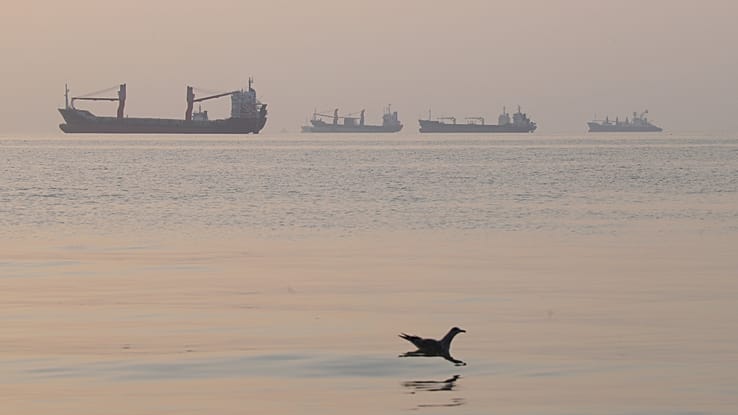
Tehran has revised its initial proposal to reopen the Strait of Hormuz, shortening its previous timeline to a two-day plan during ongoing discussions mediated by Qatari officials, according to Iranian Foreign Minister Seyed Abbas Araghchi.
Araghchi clarified that the current framework mirrors the core conditions of the initial proposal, stating that the proposal currently on the table is basically the same as the “seven-day plan” previously proposed by Iran.
Under the initial plan, Iran outlined conditions under which the waterway would reopen on the sixth day, followed by the resumption of direct U.S.-Iran negotiations on the seventh day.
Mediators, including Qatar and Pakistan, have since held several consultations to craft suggestions that are more feasible and actionable than Iran’s “seven-day plan”.
Addressing the change, Araghchi noted that one of Qatar’s suggestions was to shorten the seven-day timeline to five or even fewer days, adding that the Iranian delegation discussed the idea with the Qatari side during their visit.
The revised schedule requires the United States to implement specific compliance measures on the first day. On the second day, the Strait of Hormuz would officially reopen, allowing maritime traffic to return to pre-conflict levels.
Araghchi emphasized that the U.S. must meet the relevant conditions, all of which were mentioned in the Islamabad Memorandum of Understanding (MoU).
These conditions require Washington to establish new navigation routes through the strait, release frozen Iranian financial assets, bring an end to regional military conflicts—including those in Lebanon—lift the naval blockade, restore sanctions waivers for Iranian oil exports, and repeal any new sanctions enacted after the signing of the Islamabad MoU.
Araghchi added that the Iranian side mentioned other conditions in the submitted letter, which have nothing unreasonable about them, provided that the U.S. side shows sincerity, has a genuine desire to reach an agreement, and truly seeks a peaceful solution.
He asserted that all these issues are now on the table. As long as the U.S. side abides by the “two-day plan”, this will pave the way for peace and returning the Strait of Hormuz to normal. He maintained that only after the U.S. fulfills its relevant commitments and the strait is opened will the path to resuming negotiations between the two countries be opened.
The announcement coincides with heightened tensions in the vital shipping lane. On Sunday, the navy of Iran’s Islamic Revolution Guard Corps (IRGC) announced that two “violating” oil tankers, including a supertanker, suffered explosions and were stopped after hitting naval mines in the Strait of Hormuz within the preceding hours.
In a statement published on the IRGC’s official news outlet Sepah News, the navy said the tankers were transiting the “unauthorized” route in the strait. The statement added that the supertanker “suffered a massive explosion and is burning”, stressing that both vessels had turned off their navigation and identification systems.
Iran initially restricted passage through the key maritime choke point on February 28, blocking ships linked to or owned by the United States and Israel following joint military strikes on Iranian territory.
