
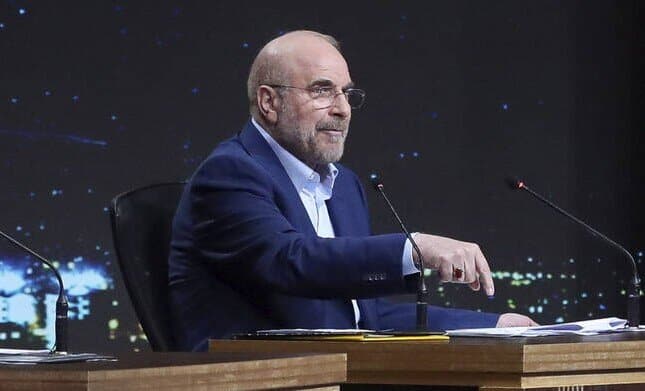
Iran’s top negotiator, Mohammad Bagher Ghalibaf, said on Tuesday that the Strait of Hormuz will remain closed until the United States fulfils commitments made in a memorandum of understanding, including lifting a naval blockade.
Speaking in a televised address, Ghalibaf said Tehran’s conditions also include the removal of oil sanctions and the unfreezing of Iranian assets held abroad. The demands were part of a US-Iran truce reached in June that later broke down.
War between Iran and the United States erupted on February 28 following US-Israeli strikes on the Islamic Republic, sparking a wider regional conflict. Diplomatic efforts since April 8 have halted large-scale bombardment, though sporadic clashes continue, particularly around the strait. Iran has controlled the Hormuz waterway throughout the conflict, requiring vessels to obtain permission and pay transit fees — a policy Washington and several regional states oppose.
Iran and Oman have held weeks of talks on the strait’s future, with Tehran saying both sides have agreed on geographical coordinates for a proposed shipping route. On Monday, Iran described the talks as “serious,” with a draft joint statement under discussion.
US President Donald Trump has threatened to bomb Oman if it obstructs a Hormuz deal with Iran, and has called on Tehran to surrender. Ghalibaf responded by saying Iran was prepared to inflict a “crushing defeat” on its adversary if provoked further.
