


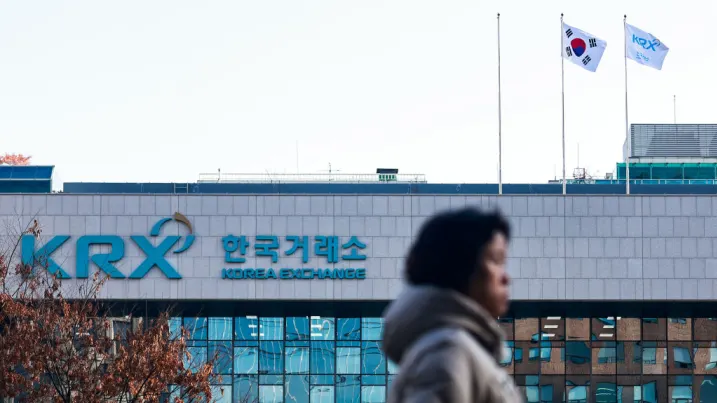
Global index provider MSCI announced on Tuesday that South Korea will remain classified as an emerging market, while simultaneously extending its evaluation of Indonesia’s market status until November.
The announcement disappointed officials in Seoul who had hoped South Korea would be added to MSCI’s Developed Markets watchlist, a necessary milestone before a nation’s market can be officially elevated to developed status.
Meanwhile, Indonesia’s extended review follows earlier anxieties raised by MSCI regarding market accessibility.
The index provider had previously frozen Indonesian equities from its indexes in January due to investability concerns.
MSCI noted that it intends to monitor the regulatory changes implemented by Indonesian officials.
However, if those actions fall short, the firm warned it would “consider a range of options for the appropriate treatment for the Indonesia market,” which includes the possibility of a downgrade to frontier-market status.
In response to the announcement, Indonesia’s financial regulator stated it would “ensure that the reforms that have been and are currently being rolled out can be comprehensively understood by the global investment community.”
Regarding South Korea, MSCI pointed out that the restricted convertibility of the South Korean won in offshore currency markets continues to be a primary obstacle to promotion.
The firm also highlighted several other friction points, including a rigid investor identification framework, caps on off-exchange deals and in-kind transfers, and constraints on investment products stemming from data-sharing rules.
While MSCI credited South Korean leaders for introducing measures to tackle these issues, it noted that “investors have communicated that the underlying issues have not been fully resolved.”
To help open its foreign exchange landscape to international participants, South Korea is set to debut 24-hour trading for the dollar-won spot market on July 6.
Seoul has spent years campaigning for a spot in MSCI’s Developed Markets index. Market experts previously noted that a promotion could help eliminate the “Korea discount,” a phrase referencing the chronically lower valuations given to South Korean equities compared to similar global stocks.
South Korea’s Finance Ministry explained that the country missed out on the watchlist because multiple reforms remain in progress, and the initiatives that have been finalized still require time to yield measurable outcomes. The ministry affirmed it will stick to its strategy of updating capital and foreign exchange markets, adding that an MSCI upgrade would naturally follow if policy adjustments align with domestic requirements and schedules.
Benson Wu, chief Korea economist at Bank of America, commented on the outcome during an interview with CNBC’s “Squawk Box Asia,” noting the decision was anticipated because South Korea still lacks the necessary infrastructure to deliver and hedge its currency.
Wu recognized that Seoul has committed to bringing forth additional adjustments, but emphasized that achieving developed-market status will take time.
“It’s not something to be happening overnight, but I do see the chance of getting higher towards the next review,” Wu said.