



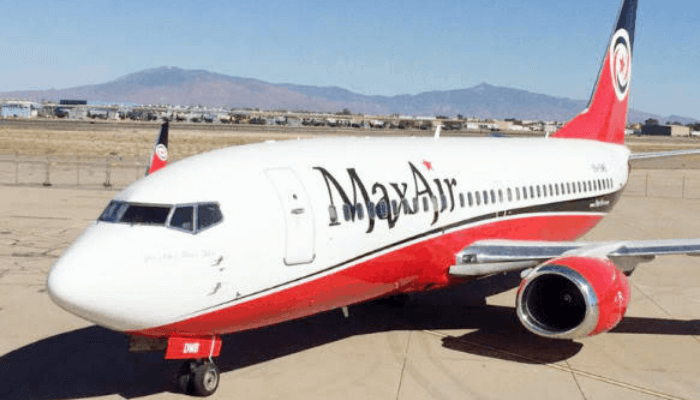
The Nigeria Civil Aviation Authority has ordered its various directorates to stop providing services to 11 domestic airlines. The carriers have been placed on an updated “No-Pay-No-Service” list due to unpaid statutory fees owed to the regulatory body.
The directive was detailed in an internal memo dated May 22, 2026, which was obtained by a correspondent on Sunday. According to the document, all departments within the aviation authority must withhold both regulatory and administrative services from the designated airlines.
The suspension will remain in place until the carriers clear their outstanding debts or establish acceptable repayment schedules.
The core of the financial dispute involves the five percent Ticket Sales Charge and Cargo Sales Charge. These are statutory funds that airlines collect from passengers and clients on behalf of the NCAA to fund critical industry operations, including safety oversight, personnel training, and economic regulation within the Nigerian aviation sector.
READ MORE: New Wings and Precision Wins: Nigerian Army steps up the fight with advanced drone fleet
Signed by Olufemi Odukoya, the Director of Finance and Accounts, the memo was distributed to the authority’s regional offices and copied to the Director-General of Civil Aviation alongside other senior executives. It explicitly instructs all NCAA directorates to freeze services to the listed airlines until they receive financial clearance from the finance department.
The 11 affected operators are Air Peace Limited, Ibom Air Limited, Arik Air Limited, United Nigeria Airlines, Umza Air, NG Eagle, Max Air Limited, Caverton Helicopters, Overland Airways, Rano Air, and ValueJet.
The memo stated: “The DGCA has directed that no directorate should render any service to the above airline without financial clearance from the director of finance and account.”
As a result of this directive, the impacted airlines face immediate disruptions to their regulatory support. This sudden freeze has sparked widespread concern among airline operators, travelers, and industry stakeholders regarding potential flight delays, operational chaos, and broader negative impacts on the country’s aviation industry.


