

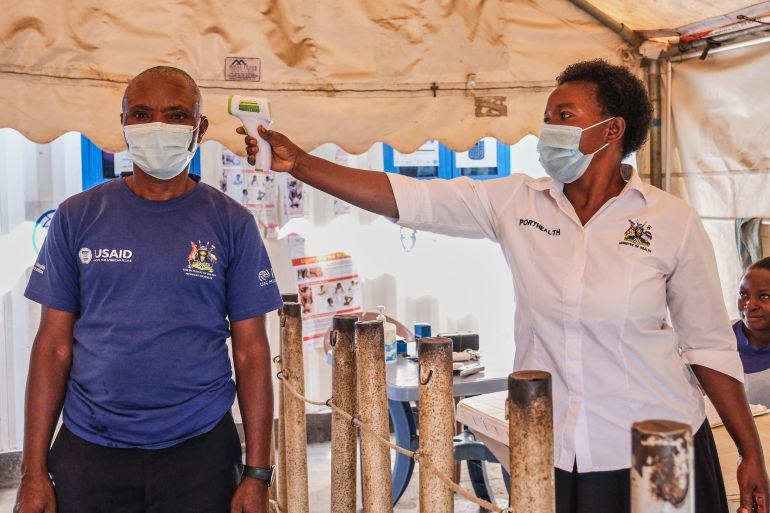
The World Health Organization (WHO) has officially confirmed the end of Uganda’s Ebola outbreak following weeks of surveillance.
Uganda had declared itself free of the virus last month, marking 42 days since the discharge of its final confirmed patient. The WHO maintained active monitoring beyond the declaration to ensure all transmission chains had been successfully broken.
Since May 15, when an outbreak was reported in the neighboring Democratic Republic of the Congo (DRC), Uganda documented a total of 20 confirmed cases. Official statements from Kampala indicated that all domestic infections stemmed from the DRC outbreak, originating from individuals who crossed the border prior to realizing they carried the virus.
To prevent widespread community transmission, Ugandan authorities swiftly implemented containment measures. Public gatherings were canceled, citizens were advised to refrain from handshakes, and public transit and flights connecting Uganda to the DRC were suspended.
In contrast, the crisis continues to escalate rapidly in eastern Congo, where health officials express growing concern over the transmission rate. Over 4,500 cases and more than 2,000 fatalities have been confirmed across six provinces in the DRC.
The current surge involves the Bundibugyo strain of the Ebola virus, for which no approved vaccine or treatment is presently available.
The WHO emphasized last week that neighboring nations, particularly those sharing land borders with the DRC, face an elevated risk. The global health agency has updated its temporary guidelines for member states, highlighting the need for enhanced disease surveillance, swift case detection, thorough contact investigation, infection prevention, and active community engagement.
