

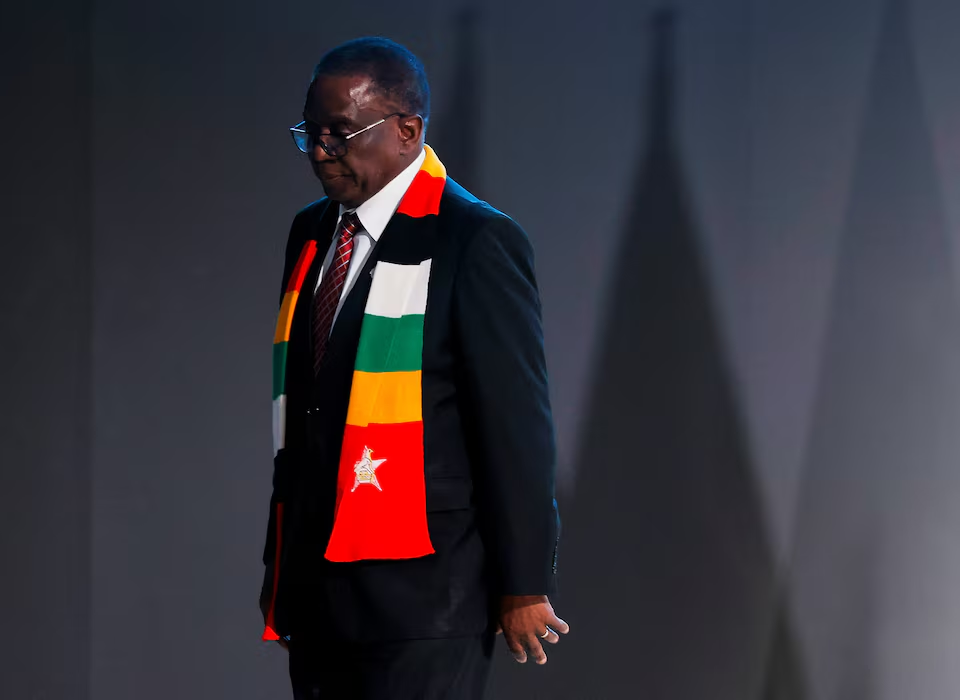
Zimbabwe’s Senate has passed a constitutional amendment extending President Emmerson Mnangagwa’s term in office until 2030, deepening concerns over the country’s democratic trajectory.
The bill was approved 75-4, Senate President Mabel Chinomona confirmed Wednesday. It extends presidential terms from five to seven years and pushes back the next general election — originally scheduled for 2028 — by two years. Mnangagwa, 83, took power in 2017 following the military-assisted ousting of Robert Mugabe and went on to win elections in 2018 and 2023.
Under the existing constitution, his current term was meant to be his last. The new amendment grants him two additional years in office.The legislation also changes how future presidents are chosen — shifting from direct popular vote to parliamentary selection — and grants the president power to appoint ten extra senators.
The bill cleared the National Assembly last week with 216 votes in favour and 42 against, comfortably surpassing the two-thirds majority required for constitutional amendments. It was strongly backed by the ruling ZANU-PF party, which controls both chambers of parliament. Opposition figures have condemned the move as a “constitutional coup,” accusing the government of entrenching power amid a broader clampdown on dissent.
The amendment now awaits presidential assent, following public consultations held earlier this year. Mnangagwa had previously said he would not pursue a third term under the current constitution. ZANU-PF has governed Zimbabwe uninterrupted since independence in 1980.
