

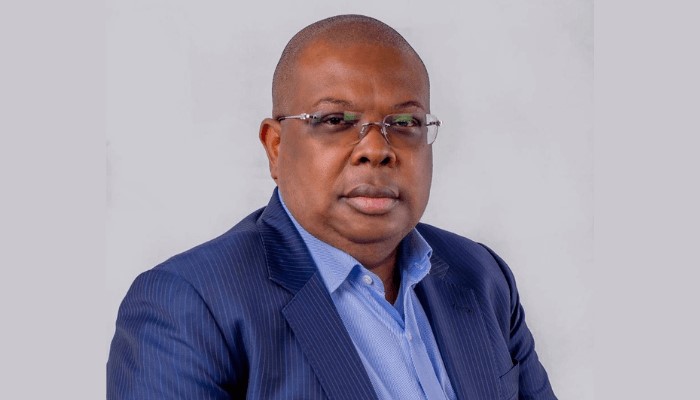
The newly confirmed Minister of Power, Olasunkanmi Tegbe, has made a bold commitment to Nigerians, promising to stabilize the nation’s fragile electricity sector and declaring that he should be held personally responsible if the frequent collapse of the national grid persists.
Tegbe gave this assurance during a rigorous screening session at the Senate on Wednesday, where lawmakers questioned him extensively on persistent blackouts, infrastructure vandalism, and the sector’s staggering debts. Following his responses, the Senate officially confirmed his appointment.
During the session, Senate President Godswill Akpabio and other lawmakers emphasized that Nigerians are exhausted by empty promises. Senator Mohammed Tahir Monguno of Borno North highlighted the gravity of the situation, noting that the “recurring decimal” of grid failure has crippled industrial growth.
Responding to these concerns, Tegbe identified the root causes as structural rather than accidental, citing poor coordination, gas supply shortages, and a lack of technical standards.
“Grid collapse is not accidental; it reflects deeper structural problems,” Tegbe told the Senate.
To address these issues, the Minister announced a 100-day reform strategy, which includes the launch of a public performance dashboard to allow citizens to monitor progress in real-time. He emphasized the need for immediate impact, stating:
“If there are no results in three months, there will be none in six. Nigerians should hold us accountable.”
Tegbe also vowed to tackle “entrenched interests” that profit from the sector’s dysfunction. “There are elements that do not want the system to work because they benefit from its failure. We will take them on,” he warned.
Regarding the massive ₦6 trillion liquidity crisis within the industry, the Minister admitted the current financial model is broken. He proposed a shift toward market-reflective tariffs while promising to protect the poor.
“Electricity pricing must reflect market realities, but affordability remains essential. We will ensure a fair balance,” he said.
Lawmakers, including Senators Tokunbo Abiru and Orji Uzor Kalu, pressed for specific timelines and better synergy between generation, transmission, and distribution companies. Kalu specifically criticized the current fragmentation of the sector for fueling inefficiency.
In his roadmap, Tegbe prioritized:
- Improving gas supply to power plants.
Protecting infrastructure by treating vandalism as a national security threat in collaboration with the military.
Accelerating nationwide metering to end the practice of estimated billing.
Expanding solar and mini-grid solutions for rural communities.
“Decentralized energy will be key to reaching underserved communities and ensuring inclusive access,” Tegbe noted.
Deputy Senate President Barau Jibrin closed the session by reminding the appointee that reliable power is the ultimate metric of success for Nigeria’s economy.
Accepting the challenge, Tegbe concluded: “This is a difficult assignment, but progress is achievable with transparency, discipline and collaboration. Nigerians will see change.”
