

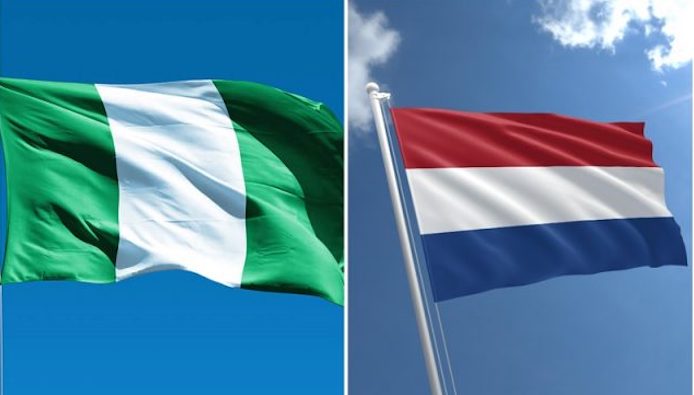
Data obtained from the Dutch Immigration and Naturalisation Service, compiled via the Asylum Information Database, reveals that at least 1,917 Nigerians applied for asylum in the Netherlands across 2024 and 2025.
Nigeria stood out as one of only four African nations consistently ranked among the top 10 countries of origin for Dutch asylum seekers during this period. Applications from Nigerian citizens rose by 5.9 percent year-on-year, moving from 931 total applicants in 2024 (770 first-time and 161 subsequent) to 986 in 2025 (813 first-time and 173 subsequent). These figures exclude family reunification numbers. Globally, Nigeria ranked ninth among applicant nationalities in 2024 and climbed to sixth position among identified nationalities in 2025.
Among African nationalities, Eritreans led with 4,684 total applications over the two years, followed by Algeria with 2,670, Somalia with 2,503, and Nigeria with 1,917. Combined, these African nations accounted for over 21 percent of the Netherlands’ 59,599 total asylum applications during this timeframe.
Despite the growing volume of applicants, decision outcomes show a steep refusal rate for Nigerian nationals. In 2025, out of 515 first-instance decisions issued to Nigerian applicants, 425—representing 83 percent—were rejected. Only 65 applicants (13 percent) received refugee status, 10 (2 percent) gained subsidiary protection, and 15 (3 percent) received humanitarian protection. By comparison, the overall rejection rate across all nationalities in 2025 was 52 percent. Disaggregated decision figures for Nigeria were not published for 2024.
Though Nigeria was not designated on the Dutch government’s safe country of origin list, it featured in a rare legal proceeding. The report noted:
“In 2025, only two cases of application of the first country of asylum were dealt with by a Dutch court. The cases concerned Nigeria and the West Bank as the first country of asylum. Both cases were dismissed by the Court, as it was unclear whether the applicants could be admitted to these countries.”
In April 2026, the Dutch Parliament passed legislation introducing a two-status system separating refugees from holders of subsidiary protection status, placing stricter waiting times, income thresholds, and housing prerequisites on the latter for family reunification.
