

They call Mount Kenya Kirinyaga, the “Place of Brightness.” For the Agĩkũyũ (Kikuyu), Kenya’s largest and most politically dominant ethnic group, this snow-capped peak is far more than a geographic landmark; it is the earthly dwelling of Ngai, their supreme deity. It is from the shadow of this sacred peak that one of East Africa’s most resilient, industrious, and unapologetically bold cultures commands the rhythm of modern Kenya.
Numbering over 8 million, the Kikuyu people do not merely harvest the nation’s agricultural bounty; they are the architects of its financial sector, the heavyweights of its political arenas, and the pulse of its contemporary music scene.
Yet, even as they conquer high-rise boardrooms in tailored suits, their hearts remain anchored to ancient rituals involving sacrificial goats, councils of wise elders, and blessings facing the mountain.
The High-Stakes Game of Kikuyu Courtship
In Kikuyu tradition, marriage is never a simple, bureaucratic affair. A traditional wedding journey is a multi-layered, high-stakes marathon of diplomacy and respect that tests a suitor’s patience and wit.
The process kicks off with kũrĩa kĩhandi, literally translated as “eating the stone”, where the groom’s family formally requests permission to initiate a marriage proposal.
This opens the door to kũgũra, the legendary and intense dowry negotiations. During the rũracio (dowry ceremony), livestock, essential goods like sugarcane stalks, and cash change hands in a highly orchestrated cultural dance. While critics from the outside often misinterpret the practice as “buying a bride,” Kikuyu elders are quick to correct the narrative.
They maintain that the exchange is not a commercial transaction, but a profound token of honor designed to intertwine two families forever.
When the final wedding day (ngurario) arrives, it is a sensory explosion of vibrant colors, traditional brown and gold patterned fabrics, animal skins, and sacred prayers led by the athiuri, the revered council of elders. In this community, the equation is absolute: without the elders’ stamp of approval, the union simply does not exist.
The Culinary Fuel of an Industrious People
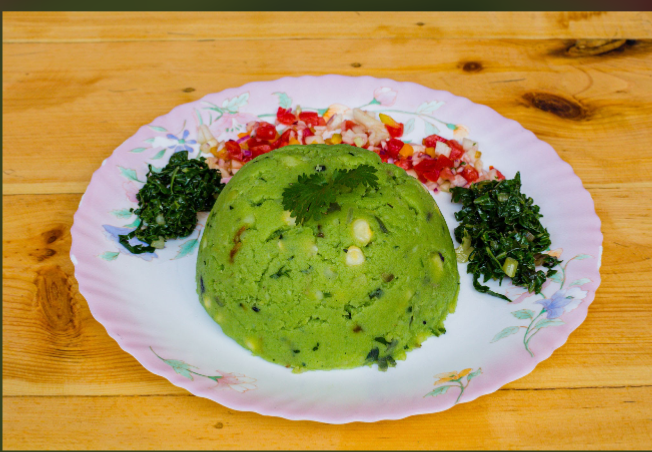
To truly understand the Kikuyu spirit, one must understand their relationship with the land and the kitchen. Their defining culinary staple is irio (also known as mukimo), a hearty, comforting mountain of mashed potatoes, corn, and traditional greens or pumpkin leaves that give it a distinctive bright green color.
It is frequently accompanied by githeri, a simple, nutritious mixture of boiled corn and beans that has famously sustained generations of Kenyan students. No major milestone, however, is complete without nyama choma (roasted goat meat), which takes center stage at every major celebration and rite of passage.
This robust diet fuels their defining cultural philosophy: wĩra, a relentless, uncompromising work ethic that has propelled the community to the forefront of East African commerce.
Modern Beats and Ancient Roots
The structural backbone of Kikuyu society historically relies on the riika, an age-set system that bonds men born in the same era into lifelong brotherhoods of mutual support and leadership.
Disputes within the community are masterfully de-escalated through ndĩkanĩro, a rich tapestry of philosophical proverbs used by elders to dispense wisdom.
When the hard work is done, the community lets loose to the infectious rhythms of mũgithi.
This guitar-driven, country-infused folk music keeps crowds dancing in single-file trains from rural homesteads to the most exclusive nightclubs in Nairobi.
From the fertile ridges of Central Kenya to the highest offices of state power, the Kikuyu continue to demonstrate a unique cultural truth: honoring your ancestors doesn’t hold you back from the future, it gives you the momentum to conquer it.