

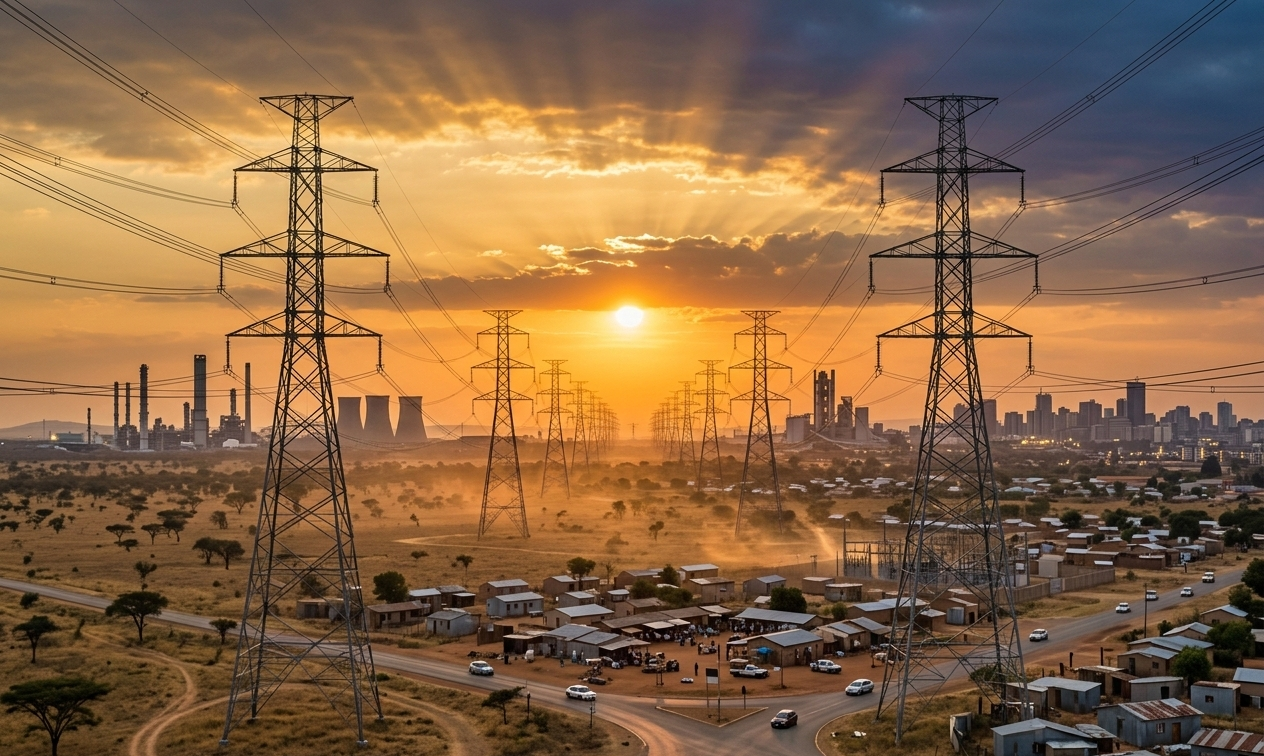
Escalating temperatures driven by climate change are creating a massive surge in demand for water and cooling across the African continent.
This spike is pushing already vulnerable electricity networks to their breaking points.
When power grids fail, the consequences are severe: economic growth stalls, productivity drops, and millions of people face heat-related health risks. Because 600 million Africans currently live without reliable access to electricity, there is simply no room for error.
According to experts, fixing this issue requires more than just generating extra power; it demands smarter infrastructure. African nations need to modernize their aging grids while rapidly expanding off-grid alternatives.
Brian Ayo, an engineer and the technical lead at Troxon Electric, shared practical strategies for developing climate-resilient grids capable of enduring extreme heat and powering Africa’s future.
While global governments funnel billions into climate initiatives, a conflict-affected town in northern Ghana has quietly adopted clean transportation without relying on subsidies or international funding.
Following security measures that led authorities to restrict petrol sales, the residents of Bawku turned to electric bikes to maintain mobility.
The situation in Bawku serves as a prime case study of how grassroots communities can successfully drive climate action from the ground up.
The People’s Bank of China has authorized South Africa’s Standard Bank and the Industrial and Commercial Bank of China (ICBC) to clear renminbi transactions across 19 African nations.
This development allows a larger share of the $340 billion China-Africa trade volume recorded in 2025 to be settled directly in yuan, moving away from the US dollar and other intermediary currencies.
The shift brings notable economic implications, including lower transaction costs, accelerated settlement times, and minimized currency risk.
