

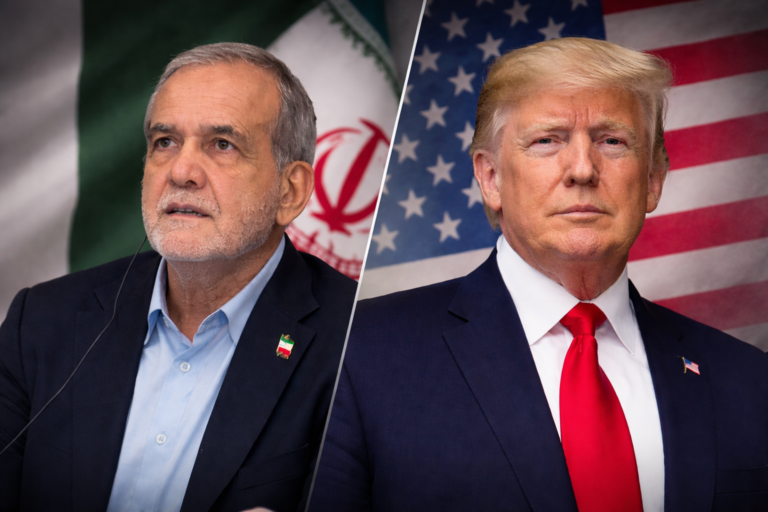
Iran has warned that it will retaliate against any nation participating in the United States’ “economic war” against Tehran. The threat came as Egypt urged both Washington and Tehran to return to diplomatic channels to end their six-month conflict.
Mohsen Rezaei, secretary of Iran’s Supreme National Security Council, delivered the warning on state broadcaster IRIB, appealing to regional neighbors and global nations to refuse US demands for economic restrictions. He stated that any country taking part in imposing restrictions would be viewed as an enemy, warning of a seismic response. Rezaei outlined a strategy that begins with de-escalation negotiations to urge nations to distance themselves from Washington, followed by direct strikes on foreign interests if they refuse to cooperate.
The statements follow announcements by US President Donald Trump detailing plans for a severe economic operation intended to isolate Tehran, paired with warnings of heavy financial fallout for any country extending support to Iran. US Treasury Secretary Scott Bessent reaffirmed this position, urging nations like China—which purchases over 80 percent of Iran’s exported crude oil—to choose whether they stand with or against Washington. Official details on the upcoming sanctions package are expected from the US Treasury.
In response, Iranian Ministry of Foreign Affairs spokesperson Esmaeil Baghaei criticized the proposed measures on X, calling the push an assertion of extraterritorial sovereignty that lacks grounding in international law.
The political standoff continues as the Strait of Hormuz remains largely closed following the February 28 joint military actions by the US and Israel, driving up worldwide commodity, oil, and fertilizer prices. While Iranian state media noted special transit access was granted to Iraqi oil tankers, local reports indicate the overall closure will persist until the US lifts its naval blockade. Diplomatic discussions between Iran and Oman concerning shipping logistics in the waterway have yet to reach an agreement.
Meanwhile, diplomatic outreach continues elsewhere. Egyptian Foreign Minister Badr Abdelatty and Iranian Foreign Minister Abbas Araghchi held a phone call to discuss regional de-escalation, exploring possibilities to revive negotiations through Oman and resume the US-Iran memorandum. Araghchi also held consultations with Pakistan’s army chief, Field Marshal Asim Munir, focusing on regional stability solutions.
