

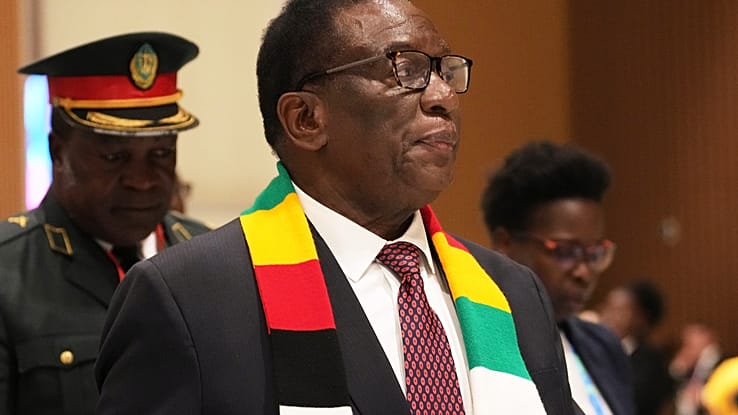
President Emmerson Mnangagwa has officially signed sweeping constitutional amendments that extend his tenure until 2030 and fundamentally alter how the nation’s future leaders will be chosen.
The legislation, which recently cleared Parliament, shifts the power to select future presidents away from a direct public vote and into the hands of lawmakers.
A Milestone Legislative Shift
On Tuesday, government spokesperson Nick Mangwana verified the enactment on social media, stating that the bill had been “signed, sealed and delivered” following the president’s assent.
The piece of legislation secured final parliamentary approval last month, enjoying strong momentum after receiving backing from the Cabinet and the ruling ZANU-PF party.
Shifting the Electoral Landscape
Beyond granting Mnangagwa an additional two years in office, the new law introduces a profound structural change to Zimbabwe’s governance:
Parliamentary Election of the President: Future heads of state will be chosen by members of Parliament rather than through a direct popular vote by the citizenry.
Democratic Debate: This marks one of the most substantial political reforms Zimbabwe has seen in recent history, a move heavily expected to ignite intense national debate over the state of democratic governance.
Momentum and Political Opposition
This legislative milestone caps off a long-running political strategy. Speculation regarding Mnangagwa’s intent to remain in power past his second and final term first surfaced roughly two years ago.
At various ZANU-PF rallies, loyalists frequently called for the president to be granted more time to fulfill his economic and political agendas. The proposal gained official Cabinet approval in February before navigating through Parliament.
Unsurprisingly, the constitutional overhaul is expected to face fierce resistance from civil society groups and opposition parties. Critics have long accused the administration of systematically dismantling democratic checks and balances while centralizing executive control.
For Mnangagwa and the ruling establishment, however, the newly enacted law successfully locks in extra time to drive home his administration’s core priorities while firmly reinforcing ZANU-PF’s grip on the political landscape.
