
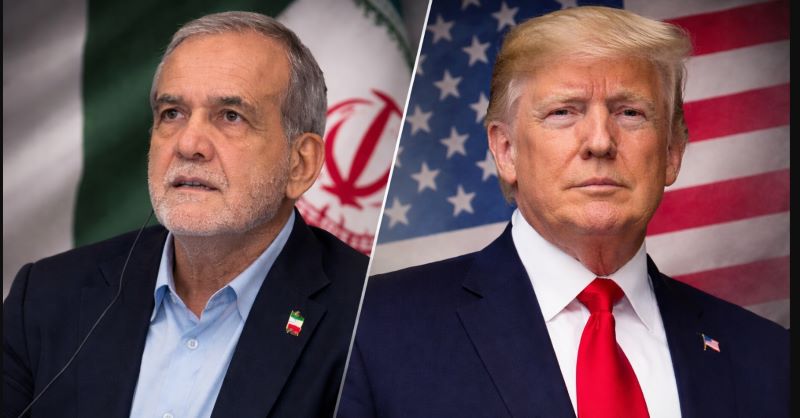
The United States has partially rolled back its sanctions on Iranian oil exports after witnessing positive momentum in negotiations aimed at resolving the conflict between the two nations.
On Monday, the US Treasury rolled out a 60-day sanctions waiver, opening the door for the production, transport, and sale of Iranian oil to the United States.
This development follows optimistic updates from mediators and the US vice president regarding the ongoing diplomatic talks in Switzerland, which are designed to secure a comprehensive peace agreement between Washington and Tehran.
This temporary waiver fulfills a specific requirement laid out in the 60-day memorandum of understanding (MoU) that both capitals signed on June 17.
US Treasury Secretary Scott Bessent characterized the bilateral discussions as productive, noting that multiple conditions within the agreement are actively moving forward.
“Iran has committed to free and open transit in the Strait of Hormuz and to permit International Atomic Energy Agency (IAEA) inspectors into their country,” he shared on social media.
“As part of the framework, Treasury has issued a temporary 60-day general licence authorising the production, delivery and sale of Iranian oil.”
Valid until August 21, the authorization covers Iranian crude oil, petroleum products, and petrochemical products.
While it allows these goods to enter the US market, the waiver explicitly bars any transactions connected to US-sanctioned North Korea, Cuba, or Russian-occupied regions of Ukraine.
Iranian government officials did not offer an immediate response to the announcement.
Following the news of the waiver, global oil prices extended their downward trend, with Brent crude sliding more than 3.5 percent to sit at $77.7 per barrel.
Bessent’s announcement coincided with upbeat commentary from US Vice President JD Vance, who expressed confidence regarding the talks taking place in the Swiss resort town of Burgenstock.
“We laid a very good foundation for a successful final deal,” Vance informed journalists, playing down the significance of an online clash between President Donald Trump and Iran’s top negotiator, Mohammad Bagher Ghalibaf.
“Social media threats that they would walk out did not come to fruition,” Vance remarked. “There was a little bit of threatening, there was a little bit of whining, but at the end of the day the talks continued and we made great progress.”
According to reports from Reuters, mediators present at the negotiations confirmed that Washington and Tehran achieved encouraging progress during their opening round.
Although the vice president refrained from giving a definitive timeline for the resumption of nuclear oversight, he indicated that formal discussions with the IAEA could begin as early as Monday.
The United States has consistently maintained that blocking Iran from obtaining nuclear weaponry is a primary motivation behind its past actions, demanding that Tehran open its nuclear sites to international monitoring.
On the other hand, Iran has repeatedly denied allegations of pursuing a weapons program, maintaining that its nuclear activities are designed strictly for civilian use.
Iranian Foreign Ministry spokesperson Esmaeil Baghaei later told the state-run IRNA news agency that Tehran did not engage in negotiations regarding its nuclear program or take on new obligations during Sunday’s sessions.
Meanwhile, President Donald Trump commented on Truth Social that “everybody is fully aware that Iran will agree to have Major Weapons Inspections in order to ensure ‘Nuclear Honesty’ long into the future”.
